
Sterling silver jewelry has always been a great investment for centuries, and these days, it’s one of the most popular metals for both fashion and fine jewelry as the market continues to grow. According to data from “IndexBox”, the EU jewelry market is set to reach $87.8 billion, and it will grow to 9.4k tons. The same thing is valid for the US, where the revenue generated by the market is expected to reach $63.76 billion in 2025 even with massive fluctuations in metal costs, the market continues to grow and expand, and that’s why this is the perfect time to promote your sterling silver collections as an alternate solution to gold.
Sterling silver is also known as 925 silver, and that’s because it has a composition of 92.5% silver, and the rest of 7.5% are other alloys designed to provide strength and durability to the jewelry.
Manufacturers like us prefer this composition because it strikes the right balance between purity and cost, giving us the flexibility to produce jewelry that can help businesses like yours keep your collections aligned with current market demand while also helping them maintain healthy profit margins.
In this article, we’ll dive deep into what makes sterling silver unique, from its identification and hallmarking to its composition and sustainability.
Sterling Silver and the Best Related Alloys
Sterling Silver and the Best Related Alloys
While we all define it as silver, what we don’t realize is that there are a variety of silver types, depending on the silver content. Here are some of the most popular options:
| Name of the alloy | Silver amount (%) | Properties | Common uses |
| Sterling silver | 92.5 | Bright, durable, could hypoallergenic and durability | Suitable for fashion & Fine jewelry |
| Fine silver | 99.9 | Prone to scratching, very delicate, highly lustrous, and very soft | electronics, coins, and bullion |
| Coin silver | 90 | Duller tone, older standard | Vintage and antique silverware |
| Argentium silver | 93.5 to 96 | Tarnish-resistant, hypoallergenic, germanium alloy | Used for premium jewelry and designer pieces |
| Britannia Silver | 95.84 | It has medium tarnish resistance and durability | Used mostly for detailed designs |
| Shibuichi | 25 | Low tarnish resistance and medium durability | It’s usually required for unique patinas |
Sterling silver is the most popular option because it has a large amount of silver (92.5%), however, it also has 7.5% other metals, including copper. Why is copper the preferred metal for alloys? Because it helps enhance the strength of silver (which the closer you get to its purest form, the harder it is to work with or keep it durable) without affecting its quality, color and cost of the final piece.
Sterling silver standards were adopted in 1300 by Edward the 1st in England, and it’s recognized even today.
Every type of silver has jewelry applications, albeit in different ways, as follows:
- Sterling silver is ideal for most fine jewelry, since it has great aesthetic appeal and strength, thanks to the added copper
- Argentium silver is ideal for luxury jewelry or pieces that need very good tarnish resistance
- Fine silver is very sensitive, and it’s all about silver purity, hence the reason why it’s in collectible or artisan jewelry
- Coin silver is used for vintage restorations in the case of jewelry, but it’s mostly historical
- Britannia silver is used for all kinds of jewelry that needs intricate designs, however, it’s less common when compared to sterling silver, for example
Every type of silver has its own use cases. Most of them are used for jewelry, but some like fine silver or coin silver, tend to be used for their innate value. That means they are a great form of financial exchange when you need to transform silver into money fast. And it’s valid for kids silver jewelryor any other type of jewelry that you want to convert into cash.
How to Read Sterling Silver Marks on Jewelry?
Ever since silver has become very popular, you can find marks on silver jewelry. These marks have been used for centuries as a way to protect consumers, but also ensure quality. There are different types of marks, such as:
- Hallmarks are used in regulated countries as a means to identify the origin of the silver, its stamping data, and metal content.
- Maker’s marks or manufacturer marks show who made the piece, and they will have a logo or initials.
- Purity marks indicate the amount of silver found in jewelry.
A lot of the time, these marks are used interchangeably in order to highlight who made the piece, where it comes from, but also how pure the silver truly is. That way, you have all the information, and it becomes a much easier process.
| Mark | What does it mean? |
| 925 | It indicates the silver content is 92.5% |
| Sterling | English term used for genuine Sterling silver, mostly used in the US and vintage pieces |
| 925 ITALY | Origin mark for 925 silver, made in Italy |
| 925 TH | Origin mark for 925 silver, made in Thailand |
| AG 925 | The Latin symbol of argentum, used in Europe for jewelry, also highlights purity |
| STG | Sterling, used in Europe and the UK |
| SS | Sterling Silver |
| 925S | Scandinavian Sterling Silver |
As mentioned earlier, a lot of the time, manufacturers will always try to add their own mark as well. That will help showcase the origin of the item even further. Due to adding the manufacturer mark, it becomes much easier to identify where it comes from, but also the innate value that the piece has, which is super important.
Where are the hallmark locations added on a silver piece? It depends on the manufacturer; some have very specific locations in mind. But in general, these are added either at the back of the item, on the inner band, or on a clasp. The idea is not to make them obvious to see, but you will notice them with ease soon enough once you start inspecting and studying the piece.
These hallmarks are designed to protect consumers from fraud, which can appear at times. They also make it easy to identify what the piece contains, how much silver it has, and so on. Since there are so many forgeries out there, hallmarks make it easier to distinguish genuine silver pieces from the base metal imitations or silver-plated items. As we all know, plating just adds a small amount of silver on top of an existing piece, so that’s not a genuine silver piece. If you do want to make sure that you get a genuine silver piece, you always want to look for its hallmark, as it will help assure you that the item is indeed made out of silver.
What Countries Require Special Hallmarks and Why?
Certain countries require by law that the silver made or in use in their country undergoes independent testing and marking. That’s designed to help confirm any purity claims. That’s why hallmarking systems are important, because they are meant to promote fair trade, keep trust in the marketplace, while also protecting consumers. All of these are extremely important aspects for you to take into consideration, and you can find these hallmarks on earrings, pendants or any other silver product.
European Union
When it comes to the EU, hallmarking is guided by the Vienna Convention. That offers a standardized marking system which can be used in all states within the European Union. Even if participation is voluntary, most of the EU nations are using the numeric fineness marks. That means you will see the percentage numbers imprinted onto the piece, like 800, 925, or 950, representing 80%, 92.5% or 95% silver, respectively.
Additionally, for the EU, you will notice that each piece also tends to have a national control mark. That represents official verification within the country. Every European country is allowed to add its own system in there, and that’s why it’s inherently important to check for the validity of the item by assessing the hallmarks. That way, you know that if the item came from the EU, it should have a stamp of verification and hallmarks, along with the numeric fineness info.
France
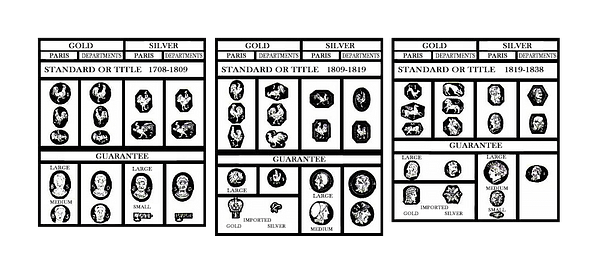
We should note the fact that France has been marking silver since 1838 with the head of Goddess Minerva. France has 2 standards when it comes to silver purity. One has 800 parts per thousand or 80%, and it’s called the 2nd standard, indicated with the numeral 2. The other one has 950 parts of silver per thousand, a 95% silver purity, and it’s indicated by the numeral one. French silver also tends to have the mark of its maker, and here you will find the symbol and maker’s initials. That makes it very easy to identify who in France made the item, and how it was made.
Hungary
We should also mention that some silver items come from the Austrian-Hungarian Empire, as they were made between 1867 and 1933. These items had a crescent moon featuring the head of Diana, the ancient Greek heroine. They used a concave line to represent 140-160/1000 fineness, and depending on how many lines there were and the shape, you would know if the item had 80%, 92.5% purity, and so on. Naturally, these days any silver made in Hungary adheres to the EU rules. However, if you encounter older coins and items, that’s the type of guidelines they had during the time, and thus, it becomes much easier to identify everything.
United States
In the US, hallmarking silver is not mandatory. That’s quite different when compared to other countries all over the world. If there are purity marks added onto the item, they are usually accompanied by a registered trademark. That helps identify the importer or manufacturer, according to the FTC guidelines. But other than that, you will find a lot of silver without hallmarks. That’s the reason why silver purity is tested with specialized systems, sometimes it even includes melting a small part of the piece to assess its purity. It’s especially true in the case of silver bullions.
Thailand
Thailand is one of the top exporters when it comes to silver jewelry. Hallmarking in the country follows the Thai Industrial Standards Institute Guidelines. Even if hallmarking is not required legally, some of the top Thai manufacturers will include the 925 and Thailand stamps on the silver pieces. That way, they highlight the origin and authenticity of the item. You’ll know without a shadow of a doubt that the item is made in Thailand, and you’ll have a good understanding of its purity. Again, hallmarking is not legally mandatory in Thailand, but the top manufacturers will do it anyway, as a sign of professionalism. Plus, some items are exported, and certain countries want to see hallmarks before accepting the item.
Japan
Starting in 1929, Japan Mint is assaying and also hallmarking any article made out of silver within the country. How do you know that the item was made in Japan? The hallmarks from Japan Mint include the national flag of Japan imprinted onto the item. It’s a very interesting approach when it comes to highlighting the country of origin, while continually showing the item is local and pure.
How to Identify Real Sterling Silver vs. Plated Silver?
Both sterling silver and silver-plated jewelry are widely available today, which often raises the question of how can you tell them apart?
The main difference is in their composition. Sterling silver is a solid alloy made of 92.5% pure silver with small amounts of other metals for strength, while silver-plated jewelry has only a thin layer with just a couple of microns applied over a base metal like brass or copper.
At 925silverjewelry.com, we focus on authentic sterling silver jewelry that is regularly tested, certified, and hallmarked, so you and your customers can source with confidence.
When you’re sourcing or selling silver jewelry, it’s important to know the difference between sterling silver and silver-plated pieces. Here are a few practical ways to check:
- The magnet test is widely used and very common, mainly because a large composition of silver will not attract magnets. Silver is not a magnetic compound. If the magnet sticks onto the piece, that means it’s not a sterling silver product; instead, it has various metals and alloys that attract magnets. Whether it’s silver CZ jewelry or silver bracelets, they should all have the same results.
- Weight and sound tests are also great, mainly because sterling silver is denser when compared to most of the base metals. Because of that, it will generate a higher, clearer sound when you tap on it.
- You also need to do a hallmark inspection. You need to study the hallmarks and see what they represent. In the case of sterling silver, you want to see Sterling, STG, or 925 hallmarks showcasing the item does indeed have a 92.5% silver purity.
- The nitric acid test is very helpful because it immediately shows if you have a plated silver item or a genuine, sterling one. Sterling silver will react to nitric acid by turning a creamy white color. Plated items don’t have as much silver, so their color will turn to either brown or green, depending on the situation.
Differences between sterling silver and plated jewelry
| Characteristics | Silver-plated | Sterling silver |
| Composition | Base metal with some silver coating | 92.5% silver alloy |
| Value | Minimal value | Silver value |
| Markings | Vague, rarely marked if at all | STG, Sterling, or 925 markings |
| Tarnish | When worn, it eventually reveals the base metal after a while | Surface oxidation will appear gradually |
| Durability | The coating wears off over time | It lasts for a long time, and you can polish as well as clean it |
Needless to say, that between plated and solid jewelry, sterling silver pieces are not only durable but also easy to clean, and it will last longer. Plated silver just has a single layer of silver (avg. 3-5 microns thick), and naturally, as you wear the item, the coating will erode over time and eventually disappear, thus exposing the base metal to the skin. It’s imperative to figure out the exact composition of silver before you buy, and you should only buy from reputable manufacturers. That way, customers have a guarantee that the item is authentic silver and thus it lasts for a long time.
Why Does Silver Tarnish, and What Can You Do to Avoid It?
The topic of silver tarnishing has been subject to many studies, and we now know why that is happening. Tarnish appears when silver reacts with the various compounds that have sulfur and are found within the air. Hydrogen sulfide in particular forces silver to tarnish. The reaction between it and silver generates silver sulfide, which is why we see that gray or black film that appears on silver’s surface.
Does that tarnish diminish the metal structure? No, it won’t damage the silver’s internal properties or its structure. What it does is it accumulates on top of the silver, and thus it reduces its shine. Thankfully, there are simple ways to clean that layer of and thus bring back silver’s original shine.
What factors accelerate tarnishing?
What we need to realize when it comes to tarnishing is that some factors will speed up the process. These include:
- Contact with sweat and body oils can be problematic, so the more you wear a piece, the faster this silver sulfide layer will appear.
- If the silver jewelry is kept near chlorine or household chemicals, that will also accelerate the tarnishing process.
- Any type of exposure to latex, wool, or rubber is also challenging, because it will speed up tarnishing as well, so try to take that all into consideration.
- Make sure that you don’t keep the silver jewelry near things like hair spray, perfume, or cosmetics. It might not seem like a major problem, but all those compounds accelerate the tarnishing process.
- Of course, if you keep the silver jewelry near any source of pollution or high humidity levels, that will speed up tarnishing as well, which can prove to be a problem.
So, what can you do in order to protect your silver jewelry and prevent the tarnishing process as much as humanly possible? Thankfully, there are certain routines that you need to keep in mind as a business, as you will notice below:
- You should always try to keep your sterling silver jewelry in an airtight container when they are not on display or apply anti-tarnish pouches before putting them up for display. These are inexpensive and will help you keep the silver in the best possible quality.
- Additionally, try to clean the jewelry as often as you can. Normally, it makes a lot of sense to clean it 2 times a year or so. When cleaning, use a mild silver polish or a soft cloth.
- You can add small pieces of chalk or silica inside jewelry boxes. Those will absorb moisture, which is known to be one of the main reasons behind the continual tarnishing problem.
- Advice your customer to always remove jewelry before swimming or while handling household chemicals, as it will speed up its tarnishing process.
These tips are effective and will help you maintain your silver jewelry in good condition for a long time. However, it’s important to include a simple care guide and perform a quick check before shipping the jewelry to your customers, as this can help prevent many issues.
Environmental and Sustainability Aspects of Mining Silver
Mining almost anything has a real, significant impact on the environment, and it has been like that for centuries. What we need to realize is that a lot of energy is used to extract and smelt silver. Not only that, but compounds like mercury and cyanide are being used to refine the silver, which does lead to water contamination.
Additionally, we have habitat destruction near excavation sites, which does happen as the mining process starts taking place. There’s also inherent soil erosion coming from that, not to mention that transporting and processing silver will bring greenhouse gas emissions. Needless to say, there are environmental concerns when it comes to processing silver. That’s why a lot of steps are taken in order to enhance sustainability and focus on the future of sterling silver.
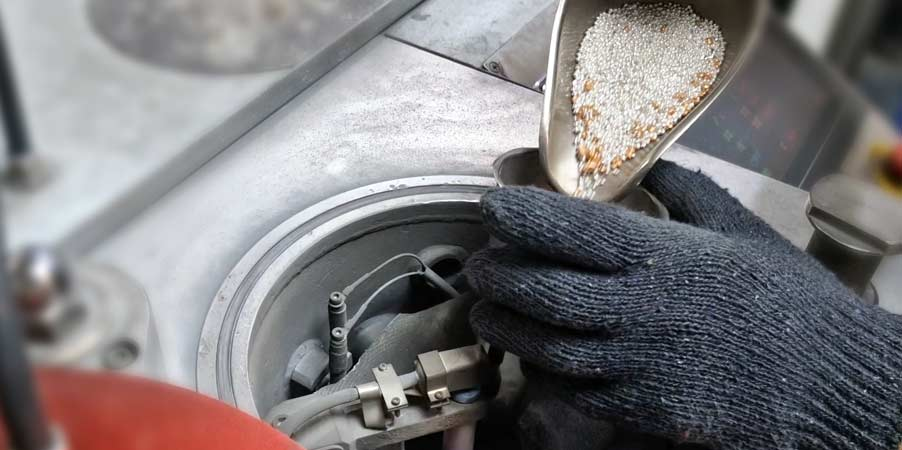
In recent years, factories like ours have implemented a vetting process to help us source silver from companies that prioritize sustainability. As a result, we now place greater emphasis on recycling and quality checks at every stage of production. This approach not only minimizes silver waste but also helps maintain a higher purity level, which is essential for our operations.
Reducing waste is particularly important today, as it prevents potential issues and promotes more environmentally conscious production practices. This ensures that silver and the environment can have a future. That’s why we actively collaborate with companies like RJC to guide our company towards a more sustainable, eco-friendly producer.
Conclusion
Clearly, silver remains one of the most widely used materials in the world, especially in jewelry production. Every company offering silver products should source from honest and reliable suppliers who prioritize values more than just profits. By doing so, your business won’t have to worry about purity, ethics, or compliance regulations. You can trust that your sterling silver pieces carry the correct hallmarks, represent the best value for money, and come from a supplier committed to helping you build a strong, loyal customer base. In the end, sourcing responsibly not only strengthens trust with your customers but also ensures lasting value for your business.
Frequestly asked questions about Sterling Silver
Q: Is 925 silver real or fake?
A: 925 silver means that you have genuine silver, which has 92.5% silver and 7.5% other metals, usually more copper. Yes, 925 silver is authentic, real silver, and it’s used in fine jewelry all over the world. That’s actually the type of silver you normally want to buy, be it for quality jewelry or as an investment, since it retains its value in the long run.
Q: Is Thailand 925 real silver?
A: Thailand is known high-quality silver jewelry production, and that’s why most of the 925 silver coming from Thailand would be genuine and high quality. But of course, you would always need to do your to ask for test report ensure that everything is legit.
Q: Is 925 silver worth money?
A: 925 silver is genuine, sterling silver, and it will always retain its value in the long term. It carries intrinsic value, and you can study the latest market prices to see its current value. Sterling silver like this is not only durable, but it can also be recycled and used for a variety of other purposes. That’s what makes it inherently valuable and highly dependable.
Q: Does sterling silver tarnish permanently?
A: No, the tarnishing you see is a surface-level reaction. Thankfully, that means you can easily remove the tarnish from any sterling silver piece with mild silver cleaners or a polishing cloth. Make sure that you use our tips above on how to slow down the tarnishing process.
Q: Is sterling silver hypoallergenic?
A: Yes. However, it depends on what metals are present in the 7.5% alloy. If someone is allergic to nickel, they could develop an allergy. But they are not allergic to the sterling silver itself; instead, they are allergic to the alloy.
Q: How can you tell if you have authentic silver jewelry?
A: The simplest way to verify your silver is to request a sample report of their most recent test from a trusted lab, such as SGS or Intertek, which your supplier will easily provide. If you are unable to reach the manufacturer/supplier, you can look for the 925 stamp or other hallmarks, as they indicate the authenticity. Additionally, since sterling silver (925 silver) is relatively soft and can bend slightly, you can gently test the metal to help confirm whether it is genuine.
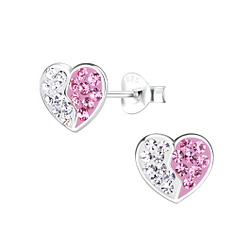
$4.62 USD
1 in stock /Need more than what's in stock?
AVAILABILITY: In stock
| SKU | 10017574 |
|---|---|
| Metal | 925 Sterling Silver |
| Plating | E-Coat (Anti-Tarnish) |
| Size (w x h) | 8 x 8 mm |
| Sold As | Pairs |
| Safety | Nickel & Lead free |


AVAILABILITY: In stock
| SKU | 10015079 ... 10005459 |
|---|---|
| Metal | 925 Sterling Silver |
| Plating | E-Coat (Anti-Tarnish) |
| Size (w x h) | 8 x 8 mm |
| Sold As | Pairs |
| Safety | Nickel & Lead free |
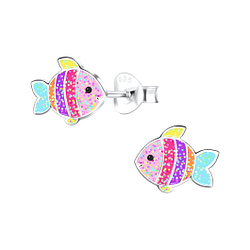
$3.76 USD
87 in stock /Need more than what's in stock?
AVAILABILITY: In stock
| SKU | 10022950 |
|---|---|
| Metal | 925 Sterling Silver |
| Plating | E-Coat (Anti-Tarnish) |
| Size (w x h) | 9 x 7 mm |
| Sold As | Pairs |
| Safety | Nickel & Lead free |
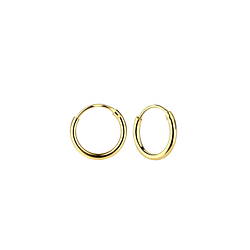
$2.88 USD
275 in stock /Need more than what's in stock?
AVAILABILITY: In stock
| SKU | 10000301 |
|---|---|
| Metal | 925 Sterling Silver |
| Plating | 14k Gold + E-Coat (Anti-Tarnish) |
| Hoop Size | 1.2 x 10 mm |
| Sold As | Pairs |
| Safety | Nickel & Lead free |

$8.49 USD
116 in stock /Need more than what's in stock?
AVAILABILITY: In stock
| SKU | 10009972 |
|---|---|
| Metal | 925 Sterling Silver |
| Plating | Silver + E-Coat (Anti-Tarnish) |
| Size (w x h) | 7 x 13 mm |
| Sold As | Pieces |
| Safety | Nickel & Lead free |

$3.38 USD
366 in stock /Need more than what's in stock?
AVAILABILITY: In stock
| SKU | 10002242 |
|---|---|
| Metal | 925 Sterling Silver |
| Plating | E-Coat (Anti-Tarnish) |
| Size (w x h) | 6 x 8 mm |
| Sold As | Pairs |
| Safety | Nickel & Lead free |

$3.63 USD
13 in stock /Need more than what's in stock?
AVAILABILITY: In stock
| SKU | 10016955 |
|---|---|
| Metal | 925 Sterling Silver |
| Plating | E-Coat (Anti-Tarnish) |
| Size (w x h) | 7 x 8 mm |
| Sold As | Pairs |
| Safety | Nickel & Lead free |

$4.68 USD
26 in stock /Need more than what's in stock?
AVAILABILITY: In stock
| SKU | 10012996 |
|---|---|
| Metal | 925 Sterling Silver |
| Plating | E-Coat (Anti-Tarnish) |
| Size (w x h) | 8 x 8 mm |
| Sold As | Pairs |
| Safety | Nickel & Lead free |

$3.82 USD
42 in stock /Need more than what's in stock?
AVAILABILITY: In stock
| SKU | 10021097 |
|---|---|
| Metal | 925 Sterling Silver |
| Plating | E-Coat (Anti-Tarnish) |
| Size (w x h) | 8 x 8 mm |
| Sold As | Pairs |
| Safety | Nickel & Lead free |

$2.62 USD
46 in stock /Need more than what's in stock?
AVAILABILITY: In stock
| SKU | 10006483 |
|---|---|
| Metal | 925 Sterling Silver |
| Plating | 14k Gold + E-Coat (Anti-Tarnish) |
| Hoop Size | 1.2 x 8 mm |
| Sold As | Pairs |
| Safety | Nickel & Lead free |

$3.89 USD
84 in stock /Need more than what's in stock?
AVAILABILITY: In stock
| SKU | 10009668 |
|---|---|
| Metal | 925 Sterling Silver |
| Plating | E-Coat (Anti-Tarnish) |
| Size (w x h) | 6 x 8 mm |
| Sold As | Pairs |
| Safety | Nickel & Lead free |

$4.13 USD
15 in stock /Need more than what's in stock?
AVAILABILITY: In stock
| SKU | 10014677 |
|---|---|
| Metal | 925 Sterling Silver |
| Plating | E-Coat (Anti-Tarnish) |
| Size (w x h) | 9 x 9 mm |
| Sold As | Pairs |
| Safety | Nickel & Lead free |

$5.23 USD
137 in stock /Need more than what's in stock?
AVAILABILITY: In stock
| SKU | 10008464 |
|---|---|
| Metal | 925 Sterling Silver |
| Plating | E-Coat (Anti-Tarnish) |
| Size (w x h) | 6 x 8 mm |
| Sold As | Pairs |
| Safety | Nickel & Lead free |


AVAILABILITY: In stock
| SKU | 10033336 ... 10033337 |
|---|---|
| Metal | 925 Sterling Silver |
| Plating | 14k Gold + E-Coat (Anti-Tarnish) |
| Size (w x h) | 8 x 8 mm |
| Sold As | Pairs |
| Safety | Nickel & Lead free |

$3.51 USD
8 in stock /Need more than what's in stock?
AVAILABILITY: In stock
| SKU | 10029352 |
|---|---|
| Metal | 925 Sterling Silver |
| Plating | E-Coat (Anti-Tarnish) |
| Size (w x h) | 6 x 10 mm |
| Sold As | Pairs |
| Safety | Nickel & Lead free |

$5.30 USD
150 in stock /Need more than what's in stock?
AVAILABILITY: In stock
| SKU | 10001846 |
|---|---|
| Metal | 925 Sterling Silver |
| Plating | 14k Gold + E-Coat (Anti-Tarnish) |
| Size (w x h) | 4 x 4 mm |
| Sold As | Pairs |
| Safety | Nickel & Lead free |


AVAILABILITY: In stock
| SKU | 10007345 ... 10007346 |
|---|---|
| Metal | 925 Sterling Silver |
| Plating | E-Coat (Anti-Tarnish) |
| Size (w x h) | 4 x 4 mm |
| Sold As | Pairs |
| Safety | Nickel & Lead free |

$3.87 USD
29 in stock /Need more than what's in stock?
AVAILABILITY: In stock
| SKU | 10016115 |
|---|---|
| Metal | 925 Sterling Silver |
| Plating | Silver + E-Coat (Anti-Tarnish) |
| Size (w x h) | 10 x 5 mm |
| Sold As | Pairs |
| Safety | Nickel & Lead free |

AVAILABILITY: In stock
| SKU | 10034498 |
|---|---|
| Metal | 925 Sterling Silver |
| Plating | E-Coat (Anti-Tarnish) |
| Size (w x h) | 11 x 11 mm |
| Sold As | Pairs |
| Safety | Nickel & Lead free |

$4.63 USD
118 in stock /Need more than what's in stock?
AVAILABILITY: In stock
| SKU | 10001348 |
|---|---|
| Metal | 925 Sterling Silver |
| Plating | E-Coat (Anti-Tarnish) |
| Size (w x h) | 8 x 12 mm |
| Sold As | Pairs |
| Safety | Nickel & Lead free |

AVAILABILITY: In stock
| SKU | 10014877 ... 10014878 |
|---|---|
| Metal | 925 Sterling Silver |
| Plating | E-Coat (Anti-Tarnish) |
| Size (w x h) | 5 x 6 mm |
| Sold As | Pairs |
| Safety | Nickel & Lead free |

$3.54 USD
220 in stock /Need more than what's in stock?
AVAILABILITY: In stock
| SKU | 10000647 |
|---|---|
| Metal | 925 Sterling Silver |
| Plating | E-Coat (Anti-Tarnish) |
| Size (w x h) | 7 x 7 mm |
| Sold As | Pairs |
| Safety | Nickel & Lead free |

$3.88 USD
85 in stock /Need more than what's in stock?
AVAILABILITY: In stock
| SKU | 10007945 |
|---|---|
| Metal | 925 Sterling Silver |
| Plating | E-Coat (Anti-Tarnish) |
| Size (w x h) | 7 x 7 mm |
| Sold As | Pairs |
| Safety | Nickel & Lead free |

AVAILABILITY: In stock
| SKU | 10010045 |
|---|---|
| Metal | 925 Sterling Silver |
| Plating | E-Coat (Anti-Tarnish) |
| Size (w x h) | 7 x 8, 10 x 6 mm |
| Safety | Nickel & Lead free |

$2.11 USD
120 in stock /Need more than what's in stock?
AVAILABILITY: In stock
| SKU | 10012596 |
|---|---|
| Metal | 925 Sterling Silver |
| Plating | Silver + E-Coat (Anti-Tarnish) |
| Size (w x h) | 10 x 6 mm |
| Sold As | Pieces |
| Safety | Nickel & Lead free |

$3.52 USD
8 in stock /Need more than what's in stock?
AVAILABILITY: In stock
| SKU | 10032804 |
|---|---|
| Metal | 925 Sterling Silver |
| Plating | Silver + E-Coat (Anti-Tarnish) |
| Size (w x h) | 8 x 7.5 mm |
| Sold As | Pairs |
| Safety | Nickel & Lead free |

$3.63 USD
35 in stock /Need more than what's in stock?
AVAILABILITY: In stock
| SKU | 10010361 |
|---|---|
| Metal | 925 Sterling Silver |
| Plating | E-Coat (Anti-Tarnish) |
| Size (w x h) | 8 x 7 mm |
| Sold As | Pairs |
| Safety | Nickel & Lead free |

$3.38 USD
238 in stock /Need more than what's in stock?
AVAILABILITY: In stock
| SKU | 10033780 |
|---|---|
| Metal | 925 Sterling Silver |
| Plating | E-Coat (Anti-Tarnish) |
| Size (w x h) | 6 x 9 mm |
| Sold As | Pairs |
| Safety | Nickel & Lead free |

AVAILABILITY: In stock
| SKU | 10011333 |
|---|---|
| Metal | 925 Sterling Silver |
| Plating | Silver + E-Coat (Anti-Tarnish) |
| Size (w x h) | 10 x 10 mm |
| Sold As | Pairs |
| Safety | Nickel & Lead free |

$3.88 USD
206 in stock /Need more than what's in stock?
AVAILABILITY: In stock
| SKU | 10007939 |
|---|---|
| Metal | 925 Sterling Silver |
| Plating | E-Coat (Anti-Tarnish) |
| Size (w x h) | 7 x 7 mm |
| Sold As | Pairs |
| Safety | Nickel & Lead free |

AVAILABILITY: In stock
| SKU | 10034488 |
|---|---|
| Metal | 925 Sterling Silver |
| Plating | E-Coat (Anti-Tarnish) |
| Size (w x h) | 9 x 12 mm |
| Sold As | Pairs |
| Safety | Nickel & Lead free |

$4.21 USD
82 in stock /Need more than what's in stock?
AVAILABILITY: In stock
| SKU | 10022757 |
|---|---|
| Metal | 925 Sterling Silver |
| Plating | E-Coat (Anti-Tarnish) |
| Size (w x h) | 10 x 5 mm |
| Sold As | Pairs |
| Safety | Nickel & Lead free |

AVAILABILITY: In stock
| SKU | 10034492 |
|---|---|
| Metal | 925 Sterling Silver |
| Plating | E-Coat (Anti-Tarnish) |
| Size (w x h) | 10 x 9 mm |
| Sold As | Pairs |
| Safety | Nickel & Lead free |

$3.64 USD
163 in stock /Need more than what's in stock?
AVAILABILITY: In stock
| SKU | 10009443 |
|---|---|
| Metal | 925 Sterling Silver |
| Plating | E-Coat (Anti-Tarnish) |
| Size (w x h) | 10 x 6 mm |
| Sold As | Pairs |
| Safety | Nickel & Lead free |

AVAILABILITY: In stock
| SKU | 10009889 ... 10009783 |
|---|---|
| Metal | 925 Sterling Silver |
| Plating | Silver + E-Coat (Anti-Tarnish) |
| Size (w x h) | 8 x 8 mm |
| Sold As | Pieces |
| Safety | Nickel & Lead free |

AVAILABILITY: In stock
| SKU | 10034506 |
|---|---|
| Metal | 925 Sterling Silver |
| Plating | E-Coat (Anti-Tarnish) |
| Size (w x h) | 9 x 11 mm |
| Sold As | Pairs |
| Safety | Nickel & Lead free |

AVAILABILITY: In stock
| SKU | 10034502 |
|---|---|
| Metal | 925 Sterling Silver |
| Plating | E-Coat (Anti-Tarnish) |
| Size (w x h) | 9 x 11 mm |
| Sold As | Pairs |
| Safety | Nickel & Lead free |

$4.20 USD
112 in stock /Need more than what's in stock?
AVAILABILITY: In stock
| SKU | 10001845 |
|---|---|
| Metal | 925 Sterling Silver |
| Plating | Silver + E-Coat (Anti-Tarnish) |
| Size (w x h) | 4 x 4 mm |
| Sold As | Pairs |
| Safety | Nickel & Lead free |

$7.58 USD
52 in stock /Need more than what's in stock?
AVAILABILITY: In stock
| SKU | 10010024 |
|---|---|
| Metal | 925 Sterling Silver |
| Plating | E-Coat (Anti-Tarnish) |
| Size (w x h) | 6 x 8, 7 x 8 mm |
| Safety | Nickel & Lead free |

$3.94 USD
57 in stock /Need more than what's in stock?
AVAILABILITY: In stock
| SKU | 10021936 |
|---|---|
| Metal | 925 Sterling Silver |
| Plating | E-Coat (Anti-Tarnish) |
| Size (w x h) | 8 x 8 mm |
| Sold As | Pairs |
| Safety | Nickel & Lead free |

$5.70 USD
238 in stock /Need more than what's in stock?
AVAILABILITY: In stock
| SKU | 10019973 |
|---|---|
| Metal | 925 Sterling Silver |
| Plating | E-Coat (Anti-Tarnish) |
| Size (w x h) | 8 x 8 mm |
| Sold As | Pairs |
| Safety | Nickel & Lead free |

$3.94 USD
204 in stock /Need more than what's in stock?
AVAILABILITY: In stock
| SKU | 10033030 |
|---|---|
| Metal | 925 Sterling Silver |
| Plating | E-Coat (Anti-Tarnish) |
| Size (w x h) | 9 x 9 mm |
| Sold As | Pairs |
| Safety | Nickel & Lead free |

$5.17 USD
2 in stock /Need more than what's in stock?
AVAILABILITY: In stock
| SKU | 10031409 |
|---|---|
| Metal | 925 Sterling Silver |
| Plating | E-Coat (Anti-Tarnish) |
| Size (w x h) | 8 x 9 mm |
| Sold As | Pairs |
| Safety | Nickel & Lead free |

$4.68 USD
159 in stock /Need more than what's in stock?
AVAILABILITY: In stock
| SKU | 10012995 |
|---|---|
| Metal | 925 Sterling Silver |
| Plating | E-Coat (Anti-Tarnish) |
| Size (w x h) | 8 x 8 mm |
| Sold As | Pairs |
| Safety | Nickel & Lead free |

$6.99 USD
40 in stock /Need more than what's in stock?
AVAILABILITY: In stock
| SKU | 10033544 |
|---|---|
| Metal | 925 Sterling Silver |
| Plating | 14k Gold + E-Coat (Anti-Tarnish) |
| Size (w x h) | 7 x 13 mm |
| Sold As | Pairs |
| Safety | Nickel & Lead free |

AVAILABILITY: In stock
| SKU | 10012857 |
|---|---|
| Metal | 925 Sterling Silver |
| Plating | Silver + E-Coat (Anti-Tarnish) |
| Size (w x h) | 10 x 10 mm |
| Sold As | Pairs |
| Safety | Nickel & Lead free |

$4.99 USD
39 in stock /Need more than what's in stock?
AVAILABILITY: In stock
| SKU | 10013276 |
|---|---|
| Metal | 925 Sterling Silver |
| Plating | E-Coat (Anti-Tarnish) |
| Size (w x h) | 7 x 6 mm |
| Sold As | Pairs |
| Safety | Nickel & Lead free |


AVAILABILITY: In stock
| SKU | 10023575 ... 10024069 |
|---|---|
| Metal | 925 Sterling Silver |
| Plating | Silver + E-Coat (Anti-Tarnish) |
| Size (w x h) | 8 x 7 mm |
| Sold As | Pairs |
| Safety | Nickel & Lead free |

$4.71 USD
13 in stock /Need more than what's in stock?
AVAILABILITY: In stock
| SKU | 10009546 |
|---|---|
| Metal | 925 Sterling Silver |
| Plating | E-Coat (Anti-Tarnish) |
| Size (w x h) | 7 x 6 mm |
| Sold As | Pairs |
| Safety | Nickel & Lead free |

AVAILABILITY: In stock
| SKU | 10005883 |
|---|---|
| Metal | 925 Sterling Silver |
| Plating | Silver + E-Coat (Anti-Tarnish) |
| Size (w x h) | 9 x 7 mm |
| Sold As | Pairs |
| Safety | Nickel & Lead free |