Paid Vs. Free Online Platforms to Sell Silver Jewelry
When you consider that the global silver jewelry market is projected to reach US$30.7 billion by 2033, getting your silver jewelry business set up right will certainly be profitable. Where to sell silver jewelry online is one of the most important decisions a jewelry business can make.
Yet, with countless marketplaces, ecommerce platforms, social commerce channels, and livestream selling platforms available, finding the right combination can directly influence visibility, customer acquisition, and long-term growth.
Some platforms give users access to an existing audience in exchange for commissions or subscription fees (which is what you are actually paying for in most cases). On the flip side, if the platforms are free the businesses are expected to build their own online store and maintain complete control over branding, customer relationships, and audience from the get-go (While it does call for more work and resources, it just means that there is more control to tailor the audience to the brand). There are also newer channels you may want to watch out for, like livestream commerce and social shopping platforms, that are creating additional opportunities for retail jewelry businesses to connect emotionally with buyers.
The truth is that no single platform works best for every seller. A wholesale supplier, a private-label brand, a handmade jewelry business, and an established retailer may all require different sales strategies depending on their goals, product range, target audience, and available resources.
In this guide, we’re going to compare some of the most popular paid, free, subscription-based, and commission-based platforms used by jewelry businesses today. We’ll cover the typical setup costs, requirements, traffic opportunities, and practical considerations to help you determine which channels are most suitable for your business.
Popular Free, Paid, and Commission-Based Sales Channels For Businesses of Any Size
| Platform | Cost Model | Typical Fees | Best For |
| Etsy | Commission-Based | Listing fee + transaction fee | Independent brands |
| Amazon | Subscription + Commission | Monthly fee + Advertising fee | Established sellers |
| eBay | Commission-Based | Final value fees | Broad consumer audience |
| Alibaba | Subscription | Supplier membership fees | Wholesale & B2B |
| Faire | Commission-Based | Sales commission + processing fees | Wholesale & B2B (Best for US & EU) |
| Whatnot | Commission-Based | Sales commission + processing fees | Livestream selling |
| Shopify | Subscription | Monthly plan + processing fees | Brand-owned stores |
| WooCommerce | Free + Paid Plugins | Developer & Template Fee | Full Controle on SEO & GEO |
| Wix | Subscription | Monthly plan + processing fees | Small businesses |
| Instagram Shop | Free + Optional Ads | Advertising costs if used | Social commerce |
| Facebook Marketplace | Mostly Free | Limited fees depending on the region | Local and community selling |
Before comparing individual platforms, it’s important to understand the different types of sales channels available to jewelry businesses.
In general, most online selling platforms fall into one of four categories:
- Free platforms
- Subscription-based platforms
- Commission-based marketplaces
- Hybrid platforms that combine subscriptions and commissions
Each model requires a different balance of financial investment, time commitment, and marketing effort.
Free Platforms: Often have lower barriers to entry, making them attractive to new businesses. However, sellers are typically responsible for generating their own traffic, setting up their profile or website, building an audience, creating content, and managing customer acquisition.
Subscription Based Platforms: Usually charge a monthly fee in exchange for ecommerce tools & plugins, website hosting, inventory management, and payment processing gateways. While there is lesser control compared to free platforms, there is far less risk and these platforms provide easier workflow, but still require businesses to drive traffic through marketing activities.
Commission Based Marketplaces: Gives access to an existing audience of buyers. In fact, with growing popularity for convenience, analysists say that the revenue for retail marketplaces are set to surpass $7.39 trillion by 2027. Instead of charging a fixed monthly fee, they generally take a percentage of each sale. This can make it easier for businesses to gain visibility, although competition within popular categories such as jewelry can be significantly high and the vetting process for some platforms can be pretty scrutinizing.
Ultimately, the most important factor is not whether a platform is free or paid. What matters is whether you have jewelry that your niche are looking for, are you creating touch points for qualified prospects and set up an enjoyable customer journey.
A platform with no monthly fees may still require substantial time investment, while a paid platform may justify its costs if it delivers consistent sales opportunities.
If you may have noticed, many successful jewelry businesses use multiple channels simultaneously, combining marketplaces, social commerce, livestream selling, and their own ecommerce website to create as many touch points with their customers as possible so their brand gets the best visibility possible.
There are now loads of platforms available to jewelry businesses, each serving a unique purpose. Some are designed to help sellers reach established audiences, while others provide the tools needed to build and grow an independent brand.
When evaluating a platform, consider:
- Setup requirements
- Monthly costs and commissions
- Audience size and buyer intent
- Marketing opportunities
- Product presentation options
- Long-term scalability
The platforms below are among the most widely used by jewelry businesses and offer different advantages depending on the goals.
Popular Online Platforms for Selling Silver Jewelry
There are now loads of platforms available to jewelry businesses, each serving a unique purpose. Some are designed to help sellers reach established audiences, while others provide the tools needed to build and grow an independent brand.
When evaluating a platform, consider:
- Setup requirements
- Monthly costs and commissions
- Audience size and buyer intent
- Marketing opportunities
- Product presentation options
- Long-term scalability
The platforms below are among the most widely used by jewelry businesses and offer different advantages depending on the goals.
Selling 925 Silver Jewelry Through Etsy
With millions of active buyers already searching for Jewelry making it the second-highest-grossing category on Etsy right now, which accounts for a massive share of the platform’s multi-billion-dollar gross merchandise sales. That being said, it’s also the most competitive and saturated, so make sure to set aside time and money for marketing. So the best way for you to start seling jewelry on Etsy, would be to create multiple listings and switch on Etsy ads to make the most of the opportunities on this marketplace until your brand has built a reputation of it’s own.
Typical Costs:
- Listing fee: Approximately $0.20 per product listing
- Transaction fee: Approximately 6.5% per sale
- Payment processing fees vary by country
- Optional Etsy Ads available
Getting Started:
- Create an Etsy seller account
- Set up your storefront and business information
- Upload product listings with images and descriptions
- Configure payment and shipping settings
Become An Amazon Seller
Amazon offers jewelry businesses access to one of the largest e-commerce marketplaces in the world. For instance, you must be approved by Amazon to sell in certain categories, which include gemstones, jewelry, and precious metals. This is to protect buyers and to reduce the risk of low-quality sellers. Once you’ve overcome this, the marketplace is an incredible way to generate a healthy revenue and expand internationally.
To have a successful chance on Amazon, due to the level of competition, you’ll need to focus on being consistently visible, not only on the platform but on the socials as well. The easiest strategy is to run paid ads on the platform alongside influencer campaigns on Instagram and TikTok.
Success also depends massively on order fulfilment rates. Amazon buyers expect same-day, next-day, or, at the very least, 1 to 2-day delivery. So, you’ll need to have a solid product range and supply chain to meet these rapid delivery deadlines.
Typical Costs:
- Individual Seller Plan: approximately $0.99 per item sold
- Professional Seller Plan: approximately $39.99 per month
- Referral fees: typically around 15% to 20%, depending on product category and price point
Additional Fulfillment by Amazon (FBA) fees if using Amazon’s warehousing and shipping services
Selling Silver Jewelry on eBay
eBay continues to be a popular platform for resellers, although you can find thousands of retailers on it. It’s due to the large customer base and the way the marketplace is positioned itself. Businesses can list products at fixed prices or through auctions, making it suitable for a wide range of silver jewelry products and price points.
Typical Costs:
- Final value fees on completed sales
- Optional store subscription plans
- Optional promoted listing fees
- Payment processing fees
Getting Started:
- Create an eBay seller account
- Set up payment and shipping preferences
- Upload product listings with detailed specifications
- Choose between fixed-price or auction-style listings
Alibaba for Wholesale and B2B Sales
Let’s say you sell kids’ silver jewelry wholesale. Then, Alibaba will be a pretty solid choice for B2B buyers scouting for hypoallergenic jewelry. Alibaba positions itself as the world’s go-to sourcing platform, meaning international buyers visit specifically to find manufacturers and suppliers.
The ecosystem works on a credit system and Keyword advertising (KWA). The more credits you spend the more visibility you’ll have. The easiest way to start strong is to get listed as a verified Supplier that costs between $3,000 to $14,000 depending on the tier (Platinum, Gold, or Standard). For businesses with the volume to support the initial investment, the exposure to international B2B buyers is unbeatable. For smaller operations still building their 925 Silver Jewelry catalog, it’s a later-stage move to seriously consider.
Typical Costs:
- Basic registration available
- Premium supplier memberships available
- Annual supplier membership fees may apply
- Optional advertising and visibility upgrades
Getting Started:
- Create a supplier account
- Complete company verification
- Upload product catalogs and business information
- Configure inquiry and communication settings
Using Whatnot for Livestream Jewelry Sales
Whatnot is a fairly new platform that combines e-commerce with livestream sales, allowing jewelry businesses to showcase products, interact with buyers in real time, and sell through live auctions or instant purchases. It has become increasingly popular among sellers looking to build an engaged community around their products.
Typical Costs:
- Commission charged on completed sales
- Payment processing fees
- Optional promotional costs
- No traditional e-commerce website required
Getting Started:
- Apply for a Whatnot seller account
- Complete seller verification
- Schedule live selling events
- Upload products and prepare livestream inventory
Live Streaming to Sell Silver Jewelry
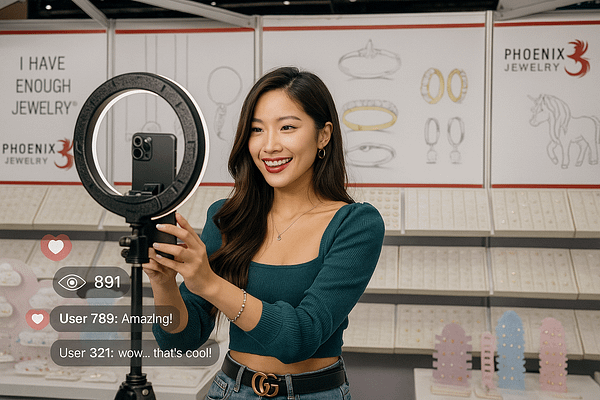
An evolution from telesales, live streaming has become an increasingly popular sales channel for any consumer product business looking to engage directly with potential customers. This sale channel is projected to reach USD 2,546.48 billion by 2033, as influencers set world records in a single livestream. Platforms such as Facebook Live, Instagram Live, TikTok Live, and Whatnot lets sellers to showcase products in real time while answering questions and demonstrating on the fly.
Silver jewelry is particularly suited to live selling. Sellers can highlight the diversity of craftsmanship and demonstrate sizing, but most importantly, they can convert viewers into buyers by showcasing how the precious metal stands out when worn.
Most live streaming platforms are free to use, although businesses may choose to invest in paid promotion to increase visibility. Success often depends on consistency, audience engagement, and the ability to create content that encourages viewers to return for future broadcasts.
For many jewelry brands, live streaming works best as a complementary sales channel alongside marketplaces, social media, and e-commerce websites.
Selling Silver Jewelry Through TikTok Shop
TikTok Shop combines social media, content creation, and e-commerce into a single platform. Rather than relying solely on traditional product searches, sellers can generate sales through short-form videos, livestreams, creator partnerships, and product recommendations.
Typical Costs:
- Commission-based selling model
- Transaction and payment processing fees
- Optional advertising spend
Getting started typically involves creating a TikTok Shop seller account, uploading products, configuring fulfillment settings, and connecting payment information.
One of TikTok Shop’s key advantages is product discovery. Engaging content can introduce products to audiences that may not have been actively searching for them. Jewelry businesses often use styling videos, product demonstrations, unboxing content, and behind-the-scenes footage to attract attention and generate interest.
For businesses willing to invest in content creation, TikTok Shop can provide an additional sales channel while helping to increase brand awareness and audience growth.
Focusing on Your Own Platform
While listing your jewelry range on platforms is a great way to expand your reach, attract new customers and scale your business, you mustn’t forget about your own platform. An eCommerce website is the most sustainable way of growing your online jewelry business.
It’s true that it takes time to build momentum at first, but selling through your own site, means jumping over any additional platform fees and sales commissions. Plus you’ll have full control rather than be at the mercy of a third party, and you can easily make changes to improve customer experience or offer unique discounts, sales and offers. You also won’t be positioned right to any competitors which can often make it difficult to close sales if your competitor undercuts you.
Which Website Builder To Use
With user-friendly website builders such as Wix, Shopify and Sqaurespace, it’s never been easier to sell online. A lot of these platforms now provide pre-built templates along with built-in eCommerce functionality and drag and drop features to add customization. But if you struggle, there are also plenty of free resources online to help guide you through the process.
Whether B2C or B2B, selling through your own site is something you should start doing from day one. Just make sure to follow a reliable SEO (search engine optimization) checklist and a 12 month content strategy in place. This will help you appear in the organic search results in order to generate website traffic.
Since the future of online search lies in the hands of GEO content marketing, make sure to include articles that clearly state and answer customer questions or general questions about the type of jewelry you sell. Not only does this help your website to appear as an industry expert but allows AI to recommend your site to online shoppers. But, you can always hire a content marketing expert within this field to help support you initially.
The Power of Community Marketing
Even if you’ve signed up to a paid online marketplace or you’re attempting to sell through your own website, jewelry buyers are not always easy to convert. You’ll need to first understand your unique target market and then pinpoint where they spend most of their time online. For instance, let’s say you have silver stud and hoop earrings that you’re positioning as gift ideas for birthdays, weddings and other special occasions. Where would you find this type of customer?
Let’s narrow down the search to a mother of a bride.
Chances are, a mother whose daughter is about to get married will likely spend time within scrolling through Facebook or Pinterest search results. They might be browsing through groups looking for wedding venues or wedding day outfit ideas. This is where you can promote your silver jewelry products. Even better if you are a local seller and pinpoint local community Facebook groups that feature wedding services. Remember, people enjoy supporting local independent businesses over big corporations and chains.
When done consistently, community marketing can increase brand trust, drive visitors to your website, and encourage the kind of word-of-mouth recommendations that are difficult to achieve through advertising alone.
Using Facebook Groups and Online Communities
Facebook Groups are still one of the largest online communities in the world, bringing together people with shared interests, hobbies, and buying intentions. For jewelry businesses, they can be a valuable way to connect with highly targeted audiences that are already engaged in topics such as weddings, fashion, gifting, local events, handmade products, and small business shopping.
The key to success in Facebook Groups isn’t constant promotion. In fact, businesses often see better results when they focus on being genuinely helpful and contributing to the conversation. Sharing advice, answering questions, and participating regularly can help establish trust and build recognition over time.
When it comes to online communication, Reddit is undoubtedly one of the best places to invest your time in. Although the platform is unhinged, there are communities like r/jewelry where you can find high-value customers. Make sure to be genuinely helpful and transparent, and keep promotional content to a bare minimum, or you could be blocked from the platform.
A jewelry brand, for example, might post styling tips, explain how to care for sterling silver pieces, offer gift inspiration, or share insights into the design and craftsmanship behind their collections. Content like this provides value to the community while naturally showcasing the brand’s expertise.
Leveraging WhatsApp for Customer Engagement
For the last decade WhatsApp has become the most used app for businesses looking to connect with their overseas customers. For jewelry brands, the Business app offers a simple way to create a professional presence, showcase products, have direct conversations with buyers and schedule weekly announcement just like email newsletters.
Setting up a business profile is free, and businesses can upload product images, prices, descriptions, and links to their website through the built-in catalog feature. This gives customers an easy way to browse collections, ask questions, and enquire about purchases without ever leaving the app. Additionally, you can use Meta ads for WhatsApp that can be leveraged for retargeting as well as new customer acquisition with a minimum spending $1 per day.
Like any marketing tool, success on WhatsApp isn’t just about sending promotions. Businesses that focus on building a store based on convenience, responsive, and a solid catalog are often the ones that build the strongest customer relationships over time.
Building A Solid Silver Foundational Catalog
Getting the foundations right will get your silver jewelry brand off on the right foot. A strong brand starts with a solid foundational collection. Rather than launching dozens of random designs like throwing spaghetti on the wall and hoping something sticks, focus on a foundational collections that attract buyers who are looking for designs suitable for everyday use (like the basics & long term trends). This will also save you and your team precious time and resources and you won’t fall into the trap of spreading yourself thinly over what concepts to double down on.
Commercially proven styles such as silver huggies with CZ stones, ear studs for earscaping, chains that can be customized into different necklaces, pendants designed seasonal trends, rings that go will with any kind of stacking combination, and bracelets that can be layered by any age group, these often form the backbone of successful jewelry businesses. Starting with a wider audience would give your business the leverage to choose which direction you would like to specialize in.
As your business grows, you need reliable suppliers who can consistently deliver quality, competitively low pricing, and dependable stock levels. A hybrid supply chain helps prevent stock shortages and gives you the flexibility to swing back and forth between stock orders and production runs to support long-term growth without having to change suppliers.
For new brands, low-risk designs are often the smartest starting point. By focusing on proven sellers first, you can establish steady revenue before introducing more unique collections. A well-built foundational catalog provides stability, simplifies inventory management, and creates a platform for sustainable growth.
Launch, Test, and Optimize Your Silver Jewelry Sales Strategy
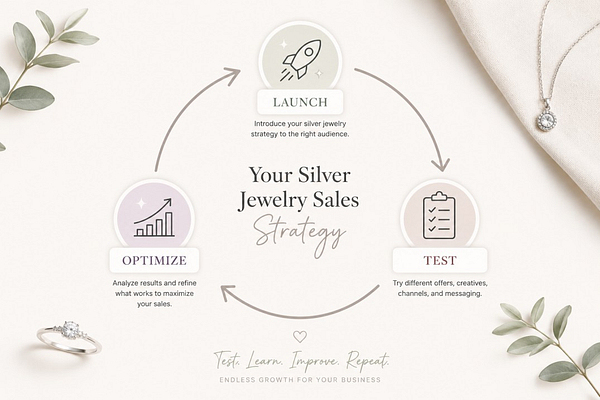
The beauty of building a successful silver focused jewelry brand, is that it doesn’t require huge upfront investments or large production runs. The simplest way is to just start with designs that are an easy sell, test and filter out what your audience is reacting to and then build collections around what is working well for your brand based on real customer demand.
But how can you achieve this? Well, then our wholesale and manufacturing services specializing in 925 Silver Jewelry would be an discerning place to start. With dedicated design, research, sourcing and production teams in place we have designed our operations to support every stage of our sourcing journey.
Through our wholesale ecommerce store, you can test small quantities of new designs and concepts that ship within just 2 business days, backed by years of industry experience, regular market research, and data and insights collected from thousands of jewelry businesses across the globe.
Once you’ve identified your best-performing designs and concepts, you can transition to production runs for better prices tailored to your brand’s requirements through our ODM & OEM manufacturing services. You’ll gain direct access to our design team, sourcing department, production specialists, and a dedicated operations coordinator or account manager who will guide your project from concept to completion.
Silver May Be Sought-After, But Strategy Is Priceless
Test, refine, and scale your jewelry brand through a single trusted partner, and eliminate the complexity of managing multiple suppliers while creating a smoother path to long-term growth.
Success rarely comes from guessing what customers want. It comes from making informed decisions, reducing unnecessary risk, and building a catalogue that reflects genuine demand. By starting with proven wholesale products and scaling through dedicated manufacturing support, you can grow your brand with greater confidence, efficiency, and control.
After all, the strongest jewelry brands aren’t built overnight. They’re built one successful collection at a time, backed by the right products, the right strategy, and the right manufacturing partner.
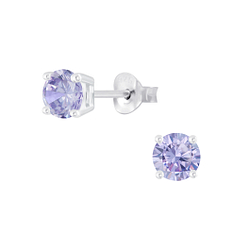


AVAILABILITY: In stock
| SKU | 10008615 ... 10008616 |
|---|---|
| Metal | 925 Sterling Silver |
| Size (w x h) | 5 x 5 mm |
| Sold As | Pairs |
| Safety | Nickel & Lead free |
AVAILABILITY: In stock
| SKU | 10033828 |
|---|---|
| Metal | 925 Sterling Silver |
| Size (w x h) | 3 x 3 mm |
| Sold As | Pairs |
| Safety | Nickel & Lead free |
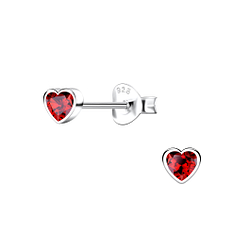

AVAILABILITY: In stock
| SKU | 10021169 ... 10016500 |
|---|---|
| Metal | 925 Sterling Silver |
| Size (w x h) | 4 x 4 mm |
| Sold As | Pairs |
| Safety | Nickel & Lead free |
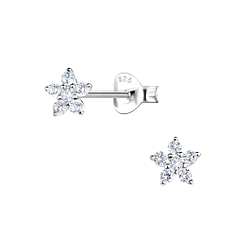
$4.60 USD

AVAILABILITY: In stock
| SKU | 10031520 |
|---|---|
| Metal | 925 Sterling Silver |
| Size (w x h) | 5 x 5 mm |
| Sold As | Pairs |
| Safety | Nickel & Lead free |

$4.16 USD
AVAILABILITY: In stock
| SKU | 10033309 |
|---|---|
| Metal | 925 Sterling Silver |
| Size (w x h) | 5 x 4 mm |
| Sold As | Pairs |
| Safety | Nickel & Lead free |

$4.21 USD
AVAILABILITY: In stock
| SKU | 10034386 |
|---|---|
| Metal | 925 Sterling Silver |
| Size (w x h) | 5 x 5 mm |
| Sold As | Pairs |
| Safety | Nickel & Lead free |

$5.01 USD
AVAILABILITY: In stock
| SKU | 10034405 |
|---|---|
| Metal | 925 Sterling Silver |
| Size (w x h) | 5 x 5 mm |
| Sold As | Pairs |
| Safety | Nickel & Lead free |

AVAILABILITY: In stock
| SKU | 10038749 |
|---|---|
| Metal | 925 Sterling Silver |
| Size (w x h) | 3 x 3 mm |
| Sold As | Pairs |
| Safety | Nickel & Lead free |

$6.21 USD
AVAILABILITY: In stock
| SKU | 10031489 |
|---|---|
| Metal | 925 Sterling Silver |
| Plating | 14k Gold + E-Coat |
| Size (w x h) | 8 x 6 mm |
| Sold As | Pairs |
| Safety | Nickel & Lead free |

AVAILABILITY: In stock
| SKU | 10033890 |
|---|---|
| Metal | 925 Sterling Silver |
| Plating | 14k Gold + E-Coat |
| Size (w x h) | 6 x 10 mm |
| Sold As | Pairs |
| Safety | Nickel & Lead free |

AVAILABILITY: In stock
| SKU | 10014445 |
|---|---|
| Metal | 925 Sterling Silver |
| Size (w x h) | 5 x 5 mm |
| Sold As | Pairs |
| Safety | Nickel & Lead free |

AVAILABILITY: In stock
| SKU | 10033449 |
|---|---|
| Metal | 925 Sterling Silver |
| Size (w x h) | 4 x 4 mm |
| Sold As | Pairs |
| Safety | Nickel & Lead free |

AVAILABILITY: In stock
| SKU | 10009192 |
|---|---|
| Metal | 925 Sterling Silver |
| Size (w x h) | 4 x 4 mm |
| Sold As | Pairs |
| Safety | Nickel & Lead free |

$3.98 USD
AVAILABILITY: In stock
| SKU | 10031099 |
|---|---|
| Metal | 925 Sterling Silver |
| Size (w x h) | 3 x 3 mm |
| Sold As | Pairs |
| Safety | Nickel & Lead free |

$7.83 USD
AVAILABILITY: In stock
| SKU | 10035290 |
|---|---|
| Metal | 925 Sterling Silver |
| Size (w x h) | 9 x 9 mm |
| Sold As | Pairs |
| Safety | Nickel & Lead free |

AVAILABILITY: In stock
| SKU | 10015421 |
|---|---|
| Metal | 925 Sterling Silver |
| Plating | 14k Gold + E-Coat |
| Size (w x h) | 5 x 5 mm |
| Sold As | Pairs |
| Safety | Nickel & Lead free |

AVAILABILITY: In stock
| SKU | 10011845 |
|---|---|
| Metal | 925 Sterling Silver |
| Plating | 14k Gold + E-Coat |
| Size (w x h) | 5 x 7 mm |
| Sold As | Pairs |
| Safety | Nickel & Lead free |

$8.73 USD
AVAILABILITY: In stock
| SKU | 10021937 |
|---|---|
| Metal | 925 Sterling Silver |
| Size (w x h) | 9 x 9 mm |
| Sold As | Pairs |
| Safety | Nickel & Lead free |

$11.77 USD
AVAILABILITY: In stock
| SKU | 10033427 |
|---|---|
| Metal | 925 Sterling Silver |
| Plating | 14k Gold + E-Coat |
| Size (w x h) | 9 x 9 mm |
| Sold As | Pairs |
| Safety | Nickel & Lead free |

$4.90 USD
AVAILABILITY: In stock
| SKU | 10033584 |
|---|---|
| Metal | 925 Sterling Silver |
| Size (w x h) | 7 x 6 mm |
| Sold As | Pairs |
| Safety | Nickel & Lead free |

AVAILABILITY: In stock
| SKU | 10003903 |
|---|---|
| Metal | 925 Sterling Silver |
| Plating | 14k Gold + E-Coat |
| Size (w x h) | 2 x 4 mm |
| Sold As | Pairs |
| Safety | Nickel & Lead free |


AVAILABILITY: In stock
| SKU | 10000352 ... 10000353 |
|---|---|
| Metal | 925 Sterling Silver |
| Size (w x h) | 6 x 6 mm |
| Sold As | Pairs |
| Safety | Nickel & Lead free |

AVAILABILITY: In stock
| SKU | 10003691 ... 10003692 |
|---|---|
| Metal | 925 Sterling Silver |
| Size (w x h) | 4 x 4 mm |
| Sold As | Pairs |
| Safety | Nickel & Lead free |

$4.93 USD
AVAILABILITY: In stock
| SKU | 10034143 |
|---|---|
| Metal | 925 Sterling Silver |
| Size (w x h) | 4 x 7 mm |
| Sold As | Pairs |
| Safety | Nickel & Lead free |

$5.25 USD
AVAILABILITY: In stock
| SKU | 10015957 |
|---|---|
| Metal | 925 Sterling Silver |
| Size (w x h) | 4 x 9 mm |
| Sold As | Pairs |
| Safety | Nickel & Lead free |

$4.87 USD
AVAILABILITY: In stock
| SKU | 10021898 |
|---|---|
| Metal | 925 Sterling Silver |
| Size (w x h) | 7 x 7 mm |
| Sold As | Pairs |
| Safety | Nickel & Lead free |

$4.32 USD
AVAILABILITY: In stock
| SKU | 10034384 |
|---|---|
| Metal | 925 Sterling Silver |
| Size (w x h) | 5 x 5 mm |
| Sold As | Pairs |
| Safety | Nickel & Lead free |

AVAILABILITY: In stock
| SKU | 10000333 |
|---|---|
| Metal | 925 Sterling Silver |
| Size (w x h) | 5 x 5 mm |
| Sold As | Pairs |
| Safety | Nickel & Lead free |

AVAILABILITY: In stock
| SKU | 10003697 ... 10003698 |
|---|---|
| Metal | 925 Sterling Silver |
| Size (w x h) | 6 x 6 mm |
| Sold As | Pairs |
| Safety | Nickel & Lead free |

AVAILABILITY: In stock
| SKU | 10006613 ... 10006614 |
|---|---|
| Metal | 925 Sterling Silver |
| Size (w x h) | 4 x 13 mm |
| Sold As | Pairs |
| Safety | Nickel & Lead free |

AVAILABILITY: In stock
| SKU | 10001264 |
|---|---|
| Metal | 925 Sterling Silver |
| Size (w x h) | 5 x 5 mm |
| Sold As | Pairs |
| Safety | Nickel & Lead free |

AVAILABILITY: In stock
| SKU | 10001281 ... 10001285 |
|---|---|
| Metal | 925 Sterling Silver |
| Size (w x h) | 5 x 5 mm |
| Sold As | Pairs |
| Safety | Nickel & Lead free |

AVAILABILITY: In stock
| SKU | 10032701 |
|---|---|
| Metal | 925 Sterling Silver |
| Size (w x h) | 4 x 4 mm |
| Sold As | Pairs |
| Safety | Nickel & Lead free |


AVAILABILITY: In stock
| SKU | 10013825 |
|---|---|
| Metal | 925 Sterling Silver |
| Size (w x h) | 5 x 5 mm |
| Sold As | Pairs |
| Safety | Nickel & Lead free |


AVAILABILITY: In stock
| SKU | 10015580 |
|---|---|
| Metal | 925 Sterling Silver |
| Size (w x h) | 6 x 6 mm |
| Sold As | Pairs |
| Safety | Nickel & Lead free |

$9.92 USD
AVAILABILITY: In stock
| SKU | 10037566 |
|---|---|
| Metal | 925 Sterling Silver |
| Plating | 14k Gold + E-Coat |
| Size (w x h) | 8 x 8 mm |
| Sold As | Pairs |
| Safety | Nickel & Lead free |

$6.35 USD
AVAILABILITY: In stock
| SKU | 10037436 |
|---|---|
| Metal | 925 Sterling Silver |
| Size (w x h) | 6 x 6 mm |
| Sold As | Pairs |
| Safety | Nickel & Lead free |

$7.10 USD
AVAILABILITY: In stock
| SKU | 10037555 |
|---|---|
| Metal | 925 Sterling Silver |
| Plating | 14k Gold + E-Coat |
| Size (w x h) | 7 x 6 mm |
| Sold As | Pairs |
| Safety | Nickel & Lead free |

$5.31 USD
AVAILABILITY: In stock
| SKU | 10028711 |
|---|---|
| Metal | 925 Sterling Silver |
| Plating | 14k Gold + E-Coat |
| Size (w x h) | 5 x 7 mm |
| Sold As | Pairs |
| Safety | Nickel & Lead free |

$6.41 USD
54 in stock /Need more than what's in stock?
AVAILABILITY: In stock
| SKU | 10036176 |
|---|---|
| Metal | 925 Sterling Silver |
| Size (w x h) | 6 x 5 mm |
| Sold As | Pairs |
| Safety | Nickel & Lead free |

$6.41 USD
53 in stock /Need more than what's in stock?
AVAILABILITY: In stock
| SKU | 10036177 |
|---|---|
| Metal | 925 Sterling Silver |
| Size (w x h) | 6 x 5 mm |
| Sold As | Pairs |
| Safety | Nickel & Lead free |

$6.05 USD
55 in stock /Need more than what's in stock?
AVAILABILITY: In stock
| SKU | 10036223 |
|---|---|
| Metal | 925 Sterling Silver |
| Size (w x h) | 5 x 7 mm |
| Sold As | Pairs |
| Safety | Nickel & Lead free |

$4.82 USD
60 in stock /Need more than what's in stock?
AVAILABILITY: In stock
| SKU | 10036262 |
|---|---|
| Metal | 925 Sterling Silver |
| Size (w x h) | 3 x 7 mm |
| Sold As | Pairs |
| Safety | Nickel & Lead free |

$4.82 USD
59 in stock /Need more than what's in stock?
AVAILABILITY: In stock
| SKU | 10036263 |
|---|---|
| Metal | 925 Sterling Silver |
| Size (w x h) | 3 x 7 mm |
| Sold As | Pairs |
| Safety | Nickel & Lead free |

$4.82 USD
56 in stock /Need more than what's in stock?
AVAILABILITY: In stock
| SKU | 10036264 |
|---|---|
| Metal | 925 Sterling Silver |
| Size (w x h) | 3 x 7 mm |
| Sold As | Pairs |
| Safety | Nickel & Lead free |

$6.91 USD
AVAILABILITY: In stock
| SKU | 10037484 |
|---|---|
| Metal | 925 Sterling Silver |
| Size (w x h) | 6 x 7 mm |
| Sold As | Pairs |
| Safety | Nickel & Lead free |

$7.35 USD
AVAILABILITY: In stock
| SKU | 10037485 |
|---|---|
| Metal | 925 Sterling Silver |
| Size (w x h) | 8 x 8 mm |
| Sold As | Pairs |
| Safety | Nickel & Lead free |

$5.10 USD
AVAILABILITY: In stock
| SKU | 10037489 |
|---|---|
| Metal | 925 Sterling Silver |
| Size (w x h) | 7 x 6 mm |
| Sold As | Pairs |
| Safety | Nickel & Lead free |

$5.40 USD
AVAILABILITY: In stock
| SKU | 10037496 |
|---|---|
| Metal | 925 Sterling Silver |
| Size (w x h) | 3 x 11 mm |
| Sold As | Pairs |
| Safety | Nickel & Lead free |

$6.22 USD
AVAILABILITY: In stock
| SKU | 10037435 |
|---|---|
| Metal | 925 Sterling Silver |
| Sold As | Pairs |
| Safety | Nickel & Lead free |