How to Buy Wholesale Jewelry Smartly With Rising Silver Costs
Silver pricing is more unpredictable than ever. Every day, a new jewelry brand is announcing changes to their prices, and your customers and profit margins are starting to feel the squeeze. Margin compression is hitting everyone in the jewelry industry, from brick-and-mortar stores to e-commerce brands. It’s not just metal costs that are putting brands under pressure, but operational costs as well.
The solution? Buying wholesale sterling silver jewelry is no longer just a procurement method, but a long-term growth strategy. In this article, we’re sharing our advice on the smartest ways to buy wholesale jewelry when navigating an industry facing pricing volatility.
What’s Actually Driving Jewelry Costs Today?
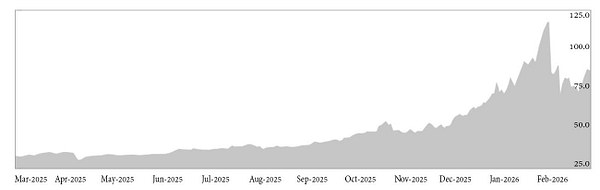
J.P. Morgan estimates that silver prices will average at $81/oz in 2026, more than double their average price in 2025. However, 2025 was a year of silver price volatility, showing just how unpredictable the metals industry can be.
There’s no denying that prices are going up across the board, and it’s impacting consumer behavior. Instead of buying multiple pieces of jewelry, some customers are now having to buy less because of increased prices. Below, we’re spotlighting four jewelry cost factors that will impact your business in 2026.
1. Silver Market Volatility
Silver prices rose by over 130% in 2025, going from $29/oz at the start of the year to over $70/oz by the end. This pricing volatility was driven by uncertainty over tariff regulations and growing investment demand in the face of economic uncertainty.
The impact of speculative trading has also caused supply issues because of the natural limits on mining. Even small per-ounce increases can affect margins, and this type of volatility complicates long-term pricing agreements.
2. Manufacturing & Operational Costs
It’s not just silver that is making jewelry sourcing and manufacturing more expensive. Operating costs are also rising across the board. Energy costs are going up, along with the cost of raw material sourcing and the price of skilled labor.
Other factors, like waste management and quality control, are also becoming more expensive. Although lightweight metals has a lower price because of their material weight, they’re still exposed to rising operational costs.
3. Freight & Logistics Instability
Retailers and consumers are also paying more for jewelry because of instability in the freight and logistics industry. Prices have continued to fluctuate since the pandemic, with fuel surcharges and port congestion delays creating financial headaches for thousands of businesses. Freight delays are also expensive for businesses, as they force them to have a larger amount of backstock to ensure they have products in the event of logistical problems.
4. Import Duties, Testing & Compliance
Many brands are also navigating hidden costs that most consumers, and even some companies, aren’t aware of. Import taxes and tariffs are hitting companies hard in the jewelry industry, while brands also have to ensure that their jewelry meets the required standards (REACH & ASTM) set by their country.
Smart Buying Strategies for Long-Term Growth
Developing a strong wholesale sourcing strategy is the best way to navigate the current uncertainty in the jewelry industry. By buying directly from a manufacturer, you’ll be reducing your up-front costs and building a long-term business relationship that can help to scale your brand in the future.
Buy Direct from Manufacturers
Buying directly from a manufacturer cuts out third-party suppliers who have their own overheads and profit margins to consider. You can take advantage of a factory-direct pricing structure with more cost clarity and the ability to take advantage of low minimum order quantity (MOQ) requirements. A lower MOQ, especially one with no minimum quantity requirement per style, makes it easier to diversify your product selection.
When you buy a sterling silver ring from a distributor, you’re likely to pay $15 on the same ring that the manufacturer sells directly for $10. Eliminating the middleman saves your company money by avoiding compound markups.
Plan Purchasing Cycles Strategically
There are smart ways to take advantage of the benefits of sourcing sterling silver jewelry from factory direct distributors. You’ll want to plan your orders strategically:
- Scout for long-term seasonal trends
- Use your historical sales data to avoid guess work and dead stock
(in case you are just starting off, then most seasoned suppliers have a best seller/recently restocked section that can give you a starting point) - Leverage Volume Discounts & Clearence Sales definitely helps to maximize profit margins
- Finally, if you are certain about the designs you’d like to invest in and have around 4-8 weeks to restock, then consider a production order. This will subsequently drop the price (but, always keep the current silver price in mind when requestion a quote)
Companies can make smart purchasing decisions by buying early and diversifying. Diversifying your SKUs from different weight categories helps to reduce your exposure to economic volatility, including rising silver prices.
While you’ll want to buy seasonal products, it’s important to align these with long-term trends that can sell year-round. Minimalistic trends, such as silver pendants, are seeing renewed attention amongst consumers and stud earrings are in the spotlight again as the ‘earscaping’ trend of wearing multiple piercings becomes even more mainstream.
Evaluate Suppliers for Scalability
Your company always needs to be thinking about the future. Considering scalability early gives your business added security as it grows. You want to partner with a manufacturer that has the capability to handle larger orders as you begin to receive more orders and grow your customer base.
Ethical & Sustainable Jewelry is the New Go-To
Sustainability is no longer just a buzzword in the jewelry industry. Research by PWC shows that consumers are willing to pay almost 10% more for sustainable products, even during a cost-of-living crisis. Brands are facing increased scrutiny, especially from younger consumers, and it’s important to work with a wholesaler with ethical and transparent manufacturing practices. Search for a supplier whose manufacturing complies with international labor and sustainability regulations.
The easiest way to find such suppliers is to check if they have audit certifications from recognized organizations such as RJC, Sedex, and amfori.
At 925SilverJewelry, our manufacturing complies with international labor and sustainability regulations. We’re also committed to supporting the UN’s Sustainable Development Goals for gender equality, responsible consumption, and decent work.
Build Long-Term Supplier Relationships
One of the benefits of working directly with a sterling silver wholesaler is that you can build a long-term relationship. These relationships can get you priority production allocation and give you more flexibility when negotiating deals, even during volatile markets. Developing long-term supplier relationships is a core part of risk mitigation for jewelry brands.
Pricing Strategies For When Manufacturing Costs Rise
When metal prices start to rise, you’ll want to consider your jewelry markup strategy. It’s easy to make the mistake of having a knee-jerk reaction to silver prices. While you’ll be focusing on protecting your jewelry margins, you don’t want to lose your brand’s competitiveness or alienate your customers.
Understand Wholesale-to-Retail Markup Logic
Markups aren’t arbitrary in the world of jewelry selling. Although the standard markup is 100%, you’ll commonly see a 150% or 200% markup in the jewelry industry. Opting for lightweight silver allows brands to utilize a higher markup because of the perceived value of the material, compared to its actual price.
It’s important to remember that your markup has to cover more than just the wholesale price. It’ll need to cover your operational and marketing costs, including your overheads, taxes, and payment processing costs, with the remaining percentage creating your profit margin.
Getting your wholesale-to-retail markup right isn’t always easy. Pricing your jewelry too high could cause you to lose customers, while pricing it too low means you may have a small or no profit margin after accounting for expenses. You’ll want to find a smart pricing strategy that still gives your customers value for money, while providing a consistent profit margin.
You can test different markup options by using this simple formula:
Wholesale price + (wholesale price x markup percentage) = retail price
If you purchase a pair of 925 sterling silver earrings for $25 and apply a 150% markup, your retail price will be $62.50.
You can learn more with our guide to Jewelry Markup from Wholesale to Retail.
Adjust Markups Strategically
When manufacturing and operational costs increase, jewelry brands have to start considering adjusting their markups. While you want to avoid automatically absorbing the cost of these price increases, it’s not ideal to change the prices of every SKU category.
Some products will see smaller cost jumps than others, giving them more elasticity. It’s always best to do price increases gradually, rather than a sudden and sharp price change. Alternatively, you could also consider different ways to bundle lightweight sterling silver items together to protect your profit margins.
Protect Margins Without Losing Competitiveness
It’s a difficult balancing act for jewelry brands to protect their margins without losing their competitiveness. While price increases feel inevitable in 2026, there are easy ways to elevate your brand perception and improve competitiveness.
Use your sales data to remove slow-moving SKUs and consider redoing your product photography and social media strategy. Alternatively, you could also consider exploring the option of tiered collections with limited-edition and premium products, alongside a core product range to encourage repeat orders.
Avoid the Underpricing Trap
One of the biggest mistakes that jewelry brands make is underpricing their products at a time when wholesale and operating costs are increasing. Keeping your previous retail prices can reduce your cash flow and make it harder to reinvest in your business as your profit margins are quietly decreasing. You can avoid making this mistake by regularly auditing your margins on every SKU category.
How Manufacturers Are Adapting to Support Wholesale Buyers
While it’s easy to be pessimistic about the jewelry industry, many manufacturers are proactively adapting their own strategies to support long-term wholesale buyers to offer production stability, even during market volatility. Manufacturers are improving their operational efficiencies and streamlining production lines while engineering smarter, lightweight sterling silver designs to reduce product costs.
At 925SilverJewelry, we’re creating lighter jewelry products that don’t compromise on quality or durability to allow retailers to offer a variety of price points. We’ve also introduced new innovative production methods that are helping to reduce overall costs to our wholesale customers by up to 20%, while tightening our quality control and implementing stricter cost comparison standards.
Navigate Rising Costs With Wholesale 925 Silver Jewelry
Rising costs are a reality of the jewelry industry, but smart brands can be proactive by adjusting their pricing strategies and cultivating long-term relationships with wholesale manufacturers. You can take the first step to future-proofing your jewelry brand by exploring our top-rated wholesale silver jewelry products or by getting in touch with our team to find out about our customization options.
FAQs about sourcing stratagies related to this topic
Q: What role will price volatility play in shaping the future of the silver jewelry industry, and how will it influence the supply chain?
A: The future of the silver jewelry industry will be driven by how consumers respond to pricing, how businesses manage sourcing, and how silver is positioned in the market.
When silver prices made headlines for reaching all-time highs, many customers planning new collections became concerned. However, once the news cycle slowed, demand stabilized. Scarcity making headlines also increased interest from end consumers. This shows that demand for silver remains strong and reacts closely to market perception.
As shared in our interview with Traders’ Union, rising gold prices will continue to shift some demand toward silver. Silver is increasingly viewed as a giftable treasure and more closely associated with high-end fashion, rather than being treated as a one-time purchase.
Sourcing requirements are also becoming stricter. Two out of every five customers now require regular audits conducted by Responsible Jewellery Council (RJC) and Sedex. Recycling is also becoming more common in production.
Price volatility will continue to influence planning, sourcing, and design. Large spikes can disrupt supply chains and force planning and sourcing to happen in shorter stages, which directly affects design decisions. At the same time, these changes are pushing manufacturers to adapt, improve sourcing strategies, and explore design innovations that might not have been considered otherwise. While fluctuations are inevitable, stability typically follows.
Overall, silver’s balance between affordability and intrinsic value, combined with shifting demand from gold, stricter sourcing requirements, and continued consumer interest, will ensure its long-term role in the jewelry industry.
Q: What do you mean by “Seasonal Jewelry for long term?”
A: Seasonal jewelry for the long term refers to designs launched for a specific season that continue generating sales beyond their peak seasonal period and throughout the year. Heart-themed pieces, for example, may be introduced for Valentine’s Day but continue selling later for birthdays and Mother’s Day. The same applies to infinity bracelets, CZ solitaire studs, stacking rings, tree of life pendants, and cable chain anklets, which remain in demand even after the initial seasonal push.

AVAILABILITY: In stock
AVAILABILITY: In stock
AVAILABILITY: In stock
AVAILABILITY: In stock

AVAILABILITY: In stock
AVAILABILITY: In stock


AVAILABILITY: In stock

AVAILABILITY: In stock


AVAILABILITY: In stock

AVAILABILITY: In stock

AVAILABILITY: In stock


AVAILABILITY: In stock

AVAILABILITY: In stock

AVAILABILITY: In stock


AVAILABILITY: In stock

AVAILABILITY: In stock

AVAILABILITY: In stock

AVAILABILITY: In stock

AVAILABILITY: In stock

AVAILABILITY: In stock

AVAILABILITY: In stock

AVAILABILITY: In stock

AVAILABILITY: In stock

AVAILABILITY: In stock

AVAILABILITY: In stock

AVAILABILITY: In stock

AVAILABILITY: In stock

AVAILABILITY: In stock

AVAILABILITY: In stock

AVAILABILITY: In stock

AVAILABILITY: In stock

AVAILABILITY: In stock


AVAILABILITY: In stock

AVAILABILITY: In stock

AVAILABILITY: In stock

AVAILABILITY: In stock

AVAILABILITY: In stock

AVAILABILITY: In stock

AVAILABILITY: In stock

AVAILABILITY: In stock

AVAILABILITY: In stock

AVAILABILITY: In stock

AVAILABILITY: In stock

AVAILABILITY: In stock

AVAILABILITY: In stock

AVAILABILITY: In stock

AVAILABILITY: In stock

AVAILABILITY: In stock

AVAILABILITY: In stock

AVAILABILITY: In stock