
Jewelry Markup from Wholesale to Retail - Understanding the Pricing Journey
When it comes to running a successful jewelry business, understanding the jewelry markup from wholesale to retail is crucial. Whether you’re a wholesale jewelry supplier or a retail jewelry store owner, knowing how to properly price your products can make or break your profitability. This article will guide you through the journey of jewelry pricing from buying in bulk at wholesale prices to setting a retail price that ensures profitability.
What is Jewelry Markup from Wholesale to Retail?

The Basics of Jewelry Pricing
Jewelry markup is simply the difference between what retailers pay for pieces wholesale and what they charge customers in their stores. Wholesale prices are the bulk rates that jewelry stores get from manufacturers and suppliers, while retail prices are what shoppers actually pay. That gap between wholesale and retail covers store expenses and keeps the business profitable.
Here’s how it works: say a retailer buys 925 silver hoop earrings for $10 each from a wholesale supplier, then sells them for $30 in their store. The markup is $20 per pair – that’s a 200% increase from the wholesale cost.
Ready to add wholesale earrings to your store? Explore 925 Silver Jewelry’s wholesale collection with fast 48-hour dispatch and unbeatable pricing!
Why Markup Matters for Wholesale Buyers
For wholesale buyers and jewelry retailers, applying a markup percentage ensures not only that the cost of the jewelry is covered but also that business expenses such as overheads, marketing, and profit margins are met.
Key factors covered by the markup include:
- Operational Costs: Store rent, electricity bills, employee wages, and all the other expenses that come with running a retail business or website.
- Marketing & Advertising: Getting customers through the door costs money – whether that’s social media ads, local promotions, or other ways to build awareness.
- Profit Margin: What’s left over after covering all costs – this is how retailers actually make money on each jewelry sale.
Getting jewelry markup right takes some balance. Price too high and customers walk away. Price too low and there’s no money left after expenses. Smart retailers find that sweet spot where the markup covers costs and delivers profit while still feeling fair to shoppers
The Impact of Buying in Bulk on Jewelry Pricing
When You Buy in Bulk, the Price Per Individual Item Decreases
One of the key factors influencing jewelry markup is the volume of products purchased. When you buy in bulk, the price per individual item tends to decrease significantly. Wholesale jewelry suppliers often give better rates when ordering in bulk, as the cost of production becomes cheaper for manufacturers. This is because the manufacturer can evenly reduce the cost of operations for each unit when producing a design in large quantities. In turn, this reduces their overall costs, making it easier for retailers to purchase jewelry at a lower cost per piece.
For instance, a retailer purchasing 100 units of a 925 silver hoop earring might pay $10 per piece, but if they buy 500 units, the cost per piece could drop to $8. This reduction in cost allows retailers to either increase their profit margin or offer more competitive retail prices to attract customers.
Economies of Scale
This concept, known as economies of scale, makes a big difference for jewelry retailers who want to expand their business. Buying in larger quantities brings down the cost per piece, and having more inventory on hand usually means more opportunities to make sales. However, buying in bulk also comes with higher upfront costs and storage requirements, so retailers must carefully manage their inventory to avoid overstocking.
Jewelry retailers who buy wholesale need to think about bulk pricing benefits when they’re setting their own prices. The lower per-unit cost allows for flexibility in markup, leading to more attractive retail prices and a potential increase in customer purchases.
Boost your margins by purchasing in bulk! Explore 925 Silver Jewelry’s wholesale earrings with 48-hour dispatch for ready-to-ship orders!
Factors That Influence Jewelry Markup from Wholesale to Retail
- Jewelry Materials and Craftsmanship
What the jewelry is made from and how well it’s crafted directly affects markup potential. Fine jewelry with gold or platinum, especially pieces with real gemstones, can handle much higher markups than costume jewelry or even 925 silver pieces. Customers expect to pay more for premium materials, so retailers can price accordingly.
Example: A pair of 925 silver stud earrings may have a markup of 100–150%, while diamond-studded hoops could carry a markup of 200–300% or more, reflecting the higher value of the materials and the craftsmanship involved in their creation.
- Brand Name and Market Positioning
Branding also plays an important role in jewelry markup. Established jewelry brands with a loyal following can often command higher prices due to the brand value and perceived quality of their products. Retailers selling luxury jewelry may apply a higher markup because customers are willing to pay more for well-known brands that promise exceptional quality and status.
- Competition and Market Demand
Market demand and competition are key factors in setting a retail price. If a retailer sells a popular piece of jewelry that customers are actively seeking, they may be able to increase the markup. Conversely, if a piece is less in demand or has many competing sellers, the markup may be lower to remain competitive.
Retailers often use data from market research, trends, and consumer behavior to adjust their pricing strategies, ensuring they are both competitive and profitable.
- Custom & Duty Costs
If you are importing jewelry, one crucial piece of information that is often overlooked, yet is one of the most important factors influencing price, is the import and duty costs. These costs differ from country to country based on the Harmonized System Code (HS Code) of a given product or material.
For those who are wondering what an HS Code is.
An HS code is like a name tag for things you sell or buy from other countries. Every government around the globe uses the same name tag so they know exactly what it is. This helps people pay the right money and move things safely from one country to another.
Here are the HS Codes associated with our jewelry:
| Description | HS Code |
| HS Code Silver (General) | 7113.11.0000 |
| HS Code Gold (General) | 7113.19.0000 |
| HS Code Rubber (All) | 3926.90.0000 |
| HS Code Silver over $1.5 (USA/PR) | 7113.11.5000 |
| HS Code Silver below $1.5 (USA/PR) | 7113.11.2000 |
| HS Code Gold (USA/PR) | 7113.19.5000 |
Calculating Jewelry Markup from Wholesale to Retail
For wholesale buyers, merchandisers, and jewelry brands, understanding markup isn’t just about setting a price it’s about building sustainable profit margins across bulk orders and ensuring retail partners can succeed. Smart markup strategies help wholesalers stay competitive while keeping their retail partners happy. When pricing works for everyone in the chain, products find their place in the market more easily.
How to Calculate Jewelry Markup
The formula for calculating jewelry markup from wholesale to retail is simple. Once you have your wholesale price, you can determine the retail price by applying a percentage markup.
Formula:
Retail Price = Wholesale Price + (Wholesale Price × Markup Percentage)
Example:
If a retailer purchases a 925 silver earring at $25 from a wholesale supplier and applies a 150% markup:
Retail Price = $25 + ($25 × 1.5)
Retail Price = $25 + $37.5
Retail Price = $62.50
Thus, the retail price of the earring would be $62.50.
Calculate your own markup today! Explore 925 Silver Jewelry’s wholesale earrings for transparent pricing and 48-hour dispatch.
Factors to Consider When Setting Markup
- Profitability: The markup should allow you to cover all your business expenses, such as rent, salaries, and inventory costs, while also generating a healthy profit.
- Customer Expectations: Ensure that the retail price aligns with what your customers are willing to pay, based on the perceived value of the product.
- Competition: Compare your prices with those of other retailers offering similar products to ensure you’re in line with industry standards.
Common Jewelry Markup Strategies
- Flat Markup StrategyThe flat markup strategy is the most straightforward approach, where the same markup percentage is applied to all products. For example, if a jewelry retailer applies a 200% markup across the board, every piece of jewelry will be priced at three times its wholesale cost. This method is easy to implement and ensures consistency across the product range.StrategyWith the tiered markup strategy, different products are marked up at different rates depending on factors like material, design complexity, or brand. For example, fine jewelry may have a higher markup than costume jewelry. This strategy allows retailers to tailor their pricing based on the value of each piece.Dynamic Markup StrategyThe dynamic markup strategy involves adjusting the markup based on external factors such as seasonality, market trends, and sales performance. Retailers might increase the markup on popular items during the holiday season or reduce it for products that are not selling well.
Common Jewelry Markup Strategies
- Research Your CompetitorsWhen determining the retail price for your jewelry, it’s essential to research your competitors. Commonly known as the anchor effect, which means if your prices are too high compared to other stores offering similar jewelry, customers may turn to other retailers, although they are not aware of the actual cost of the product. However, pricing too low can lead to decreased profit margins, making it difficult to cover your expenses.Offer Value Through Customer ExperienceIn a competitive market, pricing alone doesn’t determine a successful retail strategy. Offering added value through customer experience, like exceptional customer service, convenient shopping options, and loyalty programs, can justify a higher markup. If your customers feel they’re getting more than just the product, they may be willing to pay a premium for the experience.Use Sales and Promotions to Drive TrafficSales events, promotions, and discounts can help retailers attract customers without sacrificing the markup. Offering occasional sales or bundling jewelry pieces can help clear out older inventory while maintaining profitability on newer or high-demand products.

Logistics and Compliance - Key to Wholesale Jewelry Success
- When working with wholesale jewelry, compliance with international standards and regulations is critical for building trust with buyers. At 925 Silver Jewelry, we ensure all our jewelry meets REACH/ASTM compliance standards and are proudly certified under RJC/SEDEX/amfori. This guarantees that your products are not only of the highest quality but also ethically sourced.Additionally, all wholesale orders with 925 Silver Jewelry start at a low $199 MOQ, making it easier for retailers to test new collections, manage budgets, and still access high-quality silver earrings without committing to large upfront costs.Thailand Tariff AdvantageFurthermore, 925 Silver Jewelry offers a unique advantage with Thailand tariff benefits that provide cost savings on bulk orders for international wholesale buyers.Benefit from our Thailand tariff advantages and compliance certifications! Start your custom wholesale order with 925 Silver Jewelry today.
FAQs about Jewelry Markup from Wholesale to Retail
- What is jewelry markup from wholesale to retail?
Jewelry markup from wholesale to retail is the difference between the wholesale price (what the retailer pays to purchase the jewelry) and the retail price (what the customer pays in the store). The markup covers costs like rent, employee salaries, and marketing, as well as ensuring a profit for the retailer. - How does buying in bulk affect jewelry pricing?
When you buy in bulk, the price per individual item tends to decrease, allowing you to reduce the overall cost of jewelry purchases. This means that the more pieces you purchase, the lower your cost per unit, which can help increase profit margins when the products are sold at retail prices. - How do I calculate jewelry markup?
To calculate jewelry markup, use the formula:
Retail Price = Wholesale Price + (Wholesale Price × Markup Percentage). For example, if you purchase an item for $30 and apply a 150% markup, the retail price will be $75. - What factors influence jewelry markup?
Several factors influence jewelry markup, including the cost of materials, craftsmanship, brand value, market demand, and competition. More luxurious materials, such as diamonds or platinum, often warrant higher markups, while simpler designs may have lower markups. - How do I set competitive retail prices for jewelry?
To set competitive retail prices, research your competitors and ensure your prices are aligned with industry standards. Additionally, offer added value through customer service, promotions, and a unique shopping experience to justify your markup and attract customers.
Conclusion
- Getting jewelry markup right can make or break a jewelry business. When wholesalers and retailers understand what drives pricing material costs, bulk discounts, and what customers actually want to buy, they can set prices that bring in customers while still making money.Start your wholesale order today and stay ahead of 2025’s jewelry trends with 925 Silver Jewelry. Whether you’re looking for 925 silver earrings, customized jewelry, or eco-friendly pieces, we offer a wide selection with 48-hour dispatch, 6–8 week MTO lead time, and RJC/SEDEX/amfori compliance.
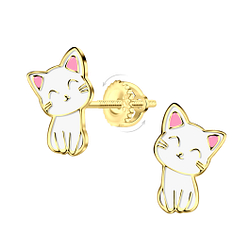
$6.99 USD
60 in stock /Need more than what's in stock?
AVAILABILITY: In stock
| SKU | 10033544 |
|---|---|
| Metal | 925 Sterling Silver |
| Plating | 14k Gold + E-Coat (Anti-Tarnish) |
| Size (w x h) | 7 x 13 mm |
| Sold As | Pairs |
| Safety | Nickel & Lead free |
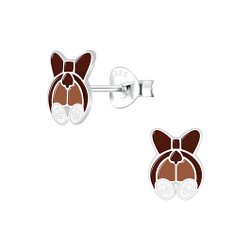
$3.81 USD
37 in stock /Need more than what's in stock?
AVAILABILITY: In stock
| SKU | 10007979 |
|---|---|
| Metal | 925 Sterling Silver |
| Plating | E-Coat (Anti-Tarnish) |
| Size (w x h) | 6 x 8 mm |
| Sold As | Pairs |
| Safety | Nickel & Lead free |
$4.00 USD
52 in stock /Need more than what's in stock?
AVAILABILITY: In stock
| SKU | 10031339 |
|---|---|
| Metal | 925 Sterling Silver |
| Plating | E-Coat (Anti-Tarnish) |
| Size (w x h) | 8 x 8 mm |
| Sold As | Pairs |
| Safety | Nickel & Lead free |
$6.28 USD
200 in stock /Need more than what's in stock?
AVAILABILITY: In stock
| SKU | 10001356 |
|---|---|
| Metal | 925 Sterling Silver |
| Plating | E-Coat (Anti-Tarnish) |
| Size (w x h) | 8 x 12 mm |
| Sold As | Pairs |
| Safety | Nickel & Lead free |
$4.30 USD
59 in stock /Need more than what's in stock?
AVAILABILITY: In stock
| SKU | 10005643 |
|---|---|
| Metal | 925 Sterling Silver |
| Plating | 14k Gold + E-Coat (Anti-Tarnish) |
| Size (w x h) | 6 x 8 mm |
| Sold As | Pairs |
| Safety | Nickel & Lead free |

AVAILABILITY: In stock
| SKU | 10014116 |
|---|---|
| Metal | 925 Sterling Silver |
| Plating | Silver + E-Coat (Anti-Tarnish) |
| Size (w x h) | 7 x 7 mm |
| Sold As | Pairs |
| Safety | Nickel & Lead free |
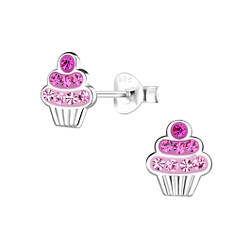
$3.73 USD
159 in stock /Need more than what's in stock?
AVAILABILITY: In stock
| SKU | 10020829 |
|---|---|
| Metal | 925 Sterling Silver |
| Plating | E-Coat (Anti-Tarnish) |
| Size (w x h) | 7 x 8 mm |
| Sold As | Pairs |
| Safety | Nickel & Lead free |
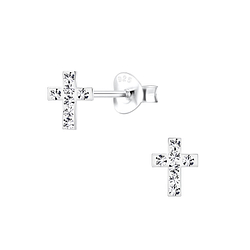

AVAILABILITY: In stock
| SKU | 10014877 ... 10014878 |
|---|---|
| Metal | 925 Sterling Silver |
| Plating | E-Coat (Anti-Tarnish) |
| Size (w x h) | 5 x 6 mm |
| Sold As | Pairs |
| Safety | Nickel & Lead free |
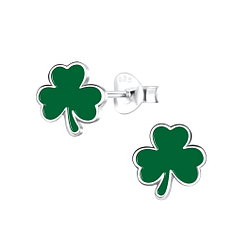
$3.82 USD
58 in stock /Need more than what's in stock?
AVAILABILITY: In stock
| SKU | 10022661 |
|---|---|
| Metal | 925 Sterling Silver |
| Plating | E-Coat (Anti-Tarnish) |
| Size (w x h) | 8 x 8 mm |
| Sold As | Pairs |
| Safety | Nickel & Lead free |
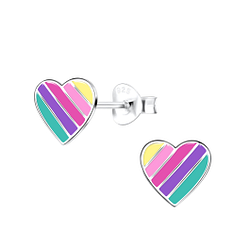
$3.82 USD
105 in stock /Need more than what's in stock?
AVAILABILITY: In stock
| SKU | 10028063 |
|---|---|
| Metal | 925 Sterling Silver |
| Plating | E-Coat (Anti-Tarnish) |
| Size (w x h) | 7 x 7 mm |
| Sold As | Pairs |
| Safety | Nickel & Lead free |
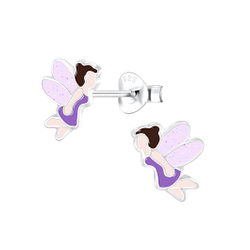
$4.20 USD
150 in stock /Need more than what's in stock?
AVAILABILITY: In stock
| SKU | 10009225 |
|---|---|
| Metal | 925 Sterling Silver |
| Plating | E-Coat (Anti-Tarnish) |
| Size (w x h) | 7 x 9 mm |
| Sold As | Pairs |
| Safety | Nickel & Lead free |
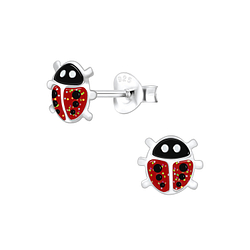
$3.38 USD
175 in stock /Need more than what's in stock?
AVAILABILITY: In stock
| SKU | 10007109 |
|---|---|
| Metal | 925 Sterling Silver |
| Plating | E-Coat (Anti-Tarnish) |
| Size (w x h) | 7 x 6 mm |
| Sold As | Pairs |
| Safety | Nickel & Lead free |
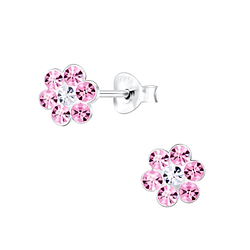
$3.54 USD
230 in stock /Need more than what's in stock?
AVAILABILITY: In stock
| SKU | 10000647 |
|---|---|
| Metal | 925 Sterling Silver |
| Plating | E-Coat (Anti-Tarnish) |
| Size (w x h) | 7 x 7 mm |
| Sold As | Pairs |
| Safety | Nickel & Lead free |
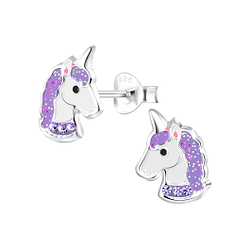
$4.58 USD
73 in stock /Need more than what's in stock?
AVAILABILITY: In stock
| SKU | 10005362 |
|---|---|
| Metal | 925 Sterling Silver |
| Plating | E-Coat (Anti-Tarnish) |
| Size (w x h) | 8 x 11 mm |
| Sold As | Pairs |
| Safety | Nickel & Lead free |
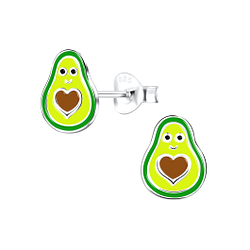
$4.01 USD
146 in stock /Need more than what's in stock?
AVAILABILITY: In stock
| SKU | 10013228 |
|---|---|
| Metal | 925 Sterling Silver |
| Plating | E-Coat (Anti-Tarnish) |
| Size (w x h) | 7 x 9 mm |
| Sold As | Pairs |
| Safety | Nickel & Lead free |
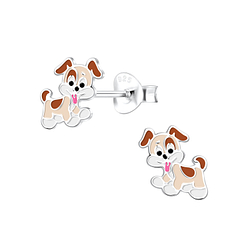
$3.69 USD
105 in stock /Need more than what's in stock?
AVAILABILITY: In stock
| SKU | 10014408 |
|---|---|
| Metal | 925 Sterling Silver |
| Plating | E-Coat (Anti-Tarnish) |
| Size (w x h) | 8 x 8 mm |
| Sold As | Pairs |
| Safety | Nickel & Lead free |
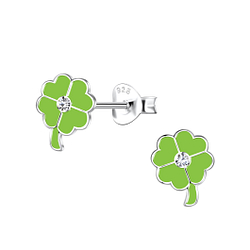
$3.44 USD
59 in stock /Need more than what's in stock?
AVAILABILITY: In stock
| SKU | 10030998 |
|---|---|
| Metal | 925 Sterling Silver |
| Plating | E-Coat (Anti-Tarnish) |
| Size (w x h) | 6 x 8 mm |
| Sold As | Pairs |
| Safety | Nickel & Lead free |
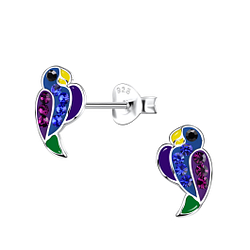
$3.83 USD
56 in stock /Need more than what's in stock?
AVAILABILITY: In stock
| SKU | 10031101 |
|---|---|
| Metal | 925 Sterling Silver |
| Plating | E-Coat (Anti-Tarnish) |
| Size (w x h) | 6 x 10 mm |
| Sold As | Pairs |
| Safety | Nickel & Lead free |
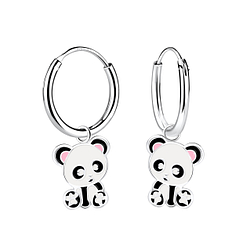
$5.28 USD
60 in stock /Need more than what's in stock?
AVAILABILITY: In stock
| SKU | 10017232 |
|---|---|
| Metal | 925 Sterling Silver |
| Plating | E-Coat (Anti-Tarnish) |
| Size (w x h) | 8 x 10 mm |
| Sold As | Pairs |
| Safety | Nickel & Lead free |
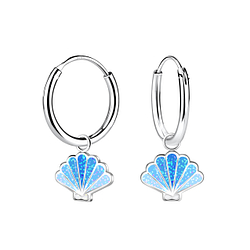
$4.71 USD
67 in stock /Need more than what's in stock?
AVAILABILITY: In stock
| SKU | 10017414 |
|---|---|
| Metal | 925 Sterling Silver |
| Plating | E-Coat (Anti-Tarnish) |
| Size (w x h) | 8 x 6 mm |
| Sold As | Pairs |
| Safety | Nickel & Lead free |

$3.08 USD
49 in stock /Need more than what's in stock?
AVAILABILITY: In stock
| SKU | 10014881 |
|---|---|
| Metal | 925 Sterling Silver |
| Plating | E-Coat (Anti-Tarnish) |
| Size (w x h) | 5 x 6 mm |
| Sold As | Pairs |
| Safety | Nickel & Lead free |

$4.13 USD
62 in stock /Need more than what's in stock?
AVAILABILITY: In stock
| SKU | 10033066 |
|---|---|
| Metal | 925 Sterling Silver |
| Plating | E-Coat (Anti-Tarnish) |
| Size (w x h) | 9 x 9 mm |
| Sold As | Pairs |
| Safety | Nickel & Lead free |

$3.90 USD
238 in stock /Need more than what's in stock?
AVAILABILITY: In stock
| SKU | 10011182 |
|---|---|
| Metal | 925 Sterling Silver |
| Plating | E-Coat (Anti-Tarnish) |
| Size (w x h) | 6 x 5 mm |
| Sold As | Pairs |
| Safety | Nickel & Lead free |

$3.63 USD
35 in stock /Need more than what's in stock?
AVAILABILITY: In stock
| SKU | 10010361 |
|---|---|
| Metal | 925 Sterling Silver |
| Plating | E-Coat (Anti-Tarnish) |
| Size (w x h) | 8 x 7 mm |
| Sold As | Pairs |
| Safety | Nickel & Lead free |

$3.82 USD
128 in stock /Need more than what's in stock?
AVAILABILITY: In stock
| SKU | 10008987 |
|---|---|
| Metal | 925 Sterling Silver |
| Plating | E-Coat (Anti-Tarnish) |
| Size (w x h) | 8 x 6 mm |
| Sold As | Pairs |
| Safety | Nickel & Lead free |

$4.13 USD
63 in stock /Need more than what's in stock?
AVAILABILITY: In stock
| SKU | 10007862 |
|---|---|
| Metal | 925 Sterling Silver |
| Plating | E-Coat (Anti-Tarnish) |
| Size (w x h) | 9 x 6 mm |
| Sold As | Pairs |
| Safety | Nickel & Lead free |

$3.88 USD
110 in stock /Need more than what's in stock?
AVAILABILITY: In stock
| SKU | 10007945 |
|---|---|
| Metal | 925 Sterling Silver |
| Plating | E-Coat (Anti-Tarnish) |
| Size (w x h) | 7 x 7 mm |
| Sold As | Pairs |
| Safety | Nickel & Lead free |


AVAILABILITY: In stock
| SKU | 10014866 ... 10014292 |
|---|---|
| Metal | 925 Sterling Silver |
| Plating | E-Coat (Anti-Tarnish) |
| Size (w x h) | 6 x 6 mm |
| Sold As | Pairs |
| Safety | Nickel & Lead free |

$5.26 USD
60 in stock /Need more than what's in stock?
AVAILABILITY: In stock
| SKU | 10018920 |
|---|---|
| Metal | 925 Sterling Silver |
| Plating | E-Coat (Anti-Tarnish) |
| Size (w x h) | 8 x 8 mm |
| Sold As | Pairs |
| Safety | Nickel & Lead free |

$5.26 USD
59 in stock /Need more than what's in stock?
AVAILABILITY: In stock
| SKU | 10018968 |
|---|---|
| Metal | 925 Sterling Silver |
| Plating | E-Coat (Anti-Tarnish) |
| Size (w x h) | 8 x 8 mm |
| Sold As | Pairs |
| Safety | Nickel & Lead free |


AVAILABILITY: In stock
| SKU | 10022690 ... 10022691 |
|---|---|
| Metal | 925 Sterling Silver |
| Plating | E-Coat (Anti-Tarnish) |
| Size (w x h) | 6 x 8 mm |
| Sold As | Pairs |
| Safety | Nickel & Lead free |

$4.21 USD
104 in stock /Need more than what's in stock?
AVAILABILITY: In stock
| SKU | 10022757 |
|---|---|
| Metal | 925 Sterling Silver |
| Plating | E-Coat (Anti-Tarnish) |
| Size (w x h) | 10 x 5 mm |
| Sold As | Pairs |
| Safety | Nickel & Lead free |

AVAILABILITY: In stock
| SKU | 10009085 |
|---|---|
| Metal | 925 Sterling Silver |
| Plating | E-Coat (Anti-Tarnish) |
| Size (w x h) | 7 x 7 mm |
| Sold As | Pairs |
| Safety | Nickel & Lead free |

$5.77 USD
82 in stock /Need more than what's in stock?
AVAILABILITY: In stock
| SKU | 10014124 |
|---|---|
| Metal | 925 Sterling Silver |
| Plating | Silver + E-Coat (Anti-Tarnish) |
| Size (w x h) | 8 x 8 mm |
| Sold As | Pieces |
| Safety | Nickel & Lead free |

AVAILABILITY: In stock
| SKU | 10014311 |
|---|---|
| Metal | 925 Sterling Silver |
| Plating | E-Coat (Anti-Tarnish) |
| Size (w x h) | 13 x 7 mm |
| Sold As | Pairs |
| Safety | Nickel & Lead free |

$5.15 USD
57 in stock /Need more than what's in stock?
AVAILABILITY: In stock
| SKU | 10014517 |
|---|---|
| Metal | 925 Sterling Silver |
| Plating | E-Coat (Anti-Tarnish) |
| Size (w x h) | 8 x 8 mm |
| Sold As | Pairs |
| Safety | Nickel & Lead free |

AVAILABILITY: In stock
| SKU | 10030970 |
|---|---|
| Metal | 925 Sterling Silver |
| Plating | E-Coat (Anti-Tarnish) |
| Size (w x h) | 9 x 7 mm |
| Sold As | Pairs |
| Safety | Nickel & Lead free |

$12.38 USD
35 in stock /Need more than what's in stock?
AVAILABILITY: In stock
| SKU | 10010059 |
|---|---|
| Metal | 925 Sterling Silver |
| Plating | E-Coat (Anti-Tarnish), Silver + E-Coat (Anti-Tarnish) |
| Size (w x h) | 8 x 7, 6 x 8 mm |
| Safety | Nickel & Lead free |

AVAILABILITY: In stock
| SKU | 10010034 |
|---|---|
| Metal | 925 Sterling Silver |
| Plating | E-Coat (Anti-Tarnish) |
| Size (w x h) | 10 x 13, 10 x 6 mm |
| Safety | Nickel & Lead free |

AVAILABILITY: In stock
| SKU | 10010045 |
|---|---|
| Metal | 925 Sterling Silver |
| Plating | E-Coat (Anti-Tarnish) |
| Size (w x h) | 7 x 8, 10 x 6 mm |
| Safety | Nickel & Lead free |

$4.63 USD
369 in stock /Need more than what's in stock?
AVAILABILITY: In stock
| SKU | 10001345 |
|---|---|
| Metal | 925 Sterling Silver |
| Plating | E-Coat (Anti-Tarnish) |
| Size (w x h) | 8 x 12 mm |
| Sold As | Pairs |
| Safety | Nickel & Lead free |

$4.32 USD
154 in stock /Need more than what's in stock?
AVAILABILITY: In stock
| SKU | 10012645 |
|---|---|
| Metal | 925 Sterling Silver |
| Plating | E-Coat (Anti-Tarnish) |
| Size (w x h) | 10 x 10 mm |
| Sold As | Pairs |
| Safety | Nickel & Lead free |

$3.94 USD
63 in stock /Need more than what's in stock?
AVAILABILITY: In stock
| SKU | 10012642 |
|---|---|
| Metal | 925 Sterling Silver |
| Plating | E-Coat (Anti-Tarnish) |
| Size (w x h) | 10 x 7 mm |
| Sold As | Pairs |
| Safety | Nickel & Lead free |


AVAILABILITY: In stock
| SKU | 10015079 ... 10005459 |
|---|---|
| Metal | 925 Sterling Silver |
| Plating | E-Coat (Anti-Tarnish) |
| Size (w x h) | 8 x 8 mm |
| Sold As | Pairs |
| Safety | Nickel & Lead free |

$6.69 USD
69 in stock /Need more than what's in stock?
AVAILABILITY: In stock
| SKU | 10007801 |
|---|---|
| Metal | 925 Sterling Silver |
| Plating | 14k Gold + E-Coat (Anti-Tarnish) |
| Size (w x h) | 9 x 6 mm |
| Sold As | Pairs |
| Safety | Nickel & Lead free |


AVAILABILITY: In stock
| SKU | 10010545 ... 10010332 |
|---|---|
| Metal | 925 Sterling Silver |
| Plating | Silver + E-Coat (Anti-Tarnish) |
| Size (w x h) | 7 x 7 mm |
| Sold As | Pairs |
| Safety | Nickel & Lead free |

$2.61 USD
72 in stock /Need more than what's in stock?
AVAILABILITY: In stock
| SKU | 10005109 |
|---|---|
| Metal | 925 Sterling Silver |
| Plating | Silver + E-Coat (Anti-Tarnish) |
| Size (w x h) | 8 x 8 mm |
| Sold As | Pieces |
| Safety | Nickel & Lead free |


AVAILABILITY: In stock
| SKU | 10036655 ... 10036656 |
|---|---|
| Metal | 925 Sterling Silver |
| Plating | Rhodium |
| Size (w x h) | 4 x 4 mm |
| Sold As | Pairs |
| Safety | Nickel & Lead free |

$8.14 USD
37 in stock /Need more than what's in stock?
AVAILABILITY: In stock
| SKU | 10034913 |
|---|---|
| Metal | 925 Sterling Silver |
| Plating | Silver + E-Coat (Anti-Tarnish) |
| Size (w x h) | 9 x 6 mm |
| Sold As | Pieces |
| Safety | Nickel & Lead free |

$3.69 USD
102 in stock /Need more than what's in stock?
AVAILABILITY: In stock
| SKU | 10002427 |
|---|---|
| Metal | 925 Sterling Silver |
| Plating | E-Coat (Anti-Tarnish) |
| Size (w x h) | 6 x 8 mm |
| Sold As | Pairs |
| Safety | Nickel & Lead free |